Know the stone
in your hand.
Identify your rocks with a photo. Available for iPhone and Android.
Find us on the App Store and Google Play.
Start with what you can see
All guides ↗A rock identifier app for the stones you find
Use the Stone Identifier app on iPhone or Android to explore possible matches for a rock you found.
Take one photo of the whole rock in indirect daylight and another close-up of an unpolished surface. Add something for scale and note where you found it. If the rock has bands, veins or visible crystals, include those in the close-up.
Use the rock identification checklist to record what you can see and compare those clues with your scan result.
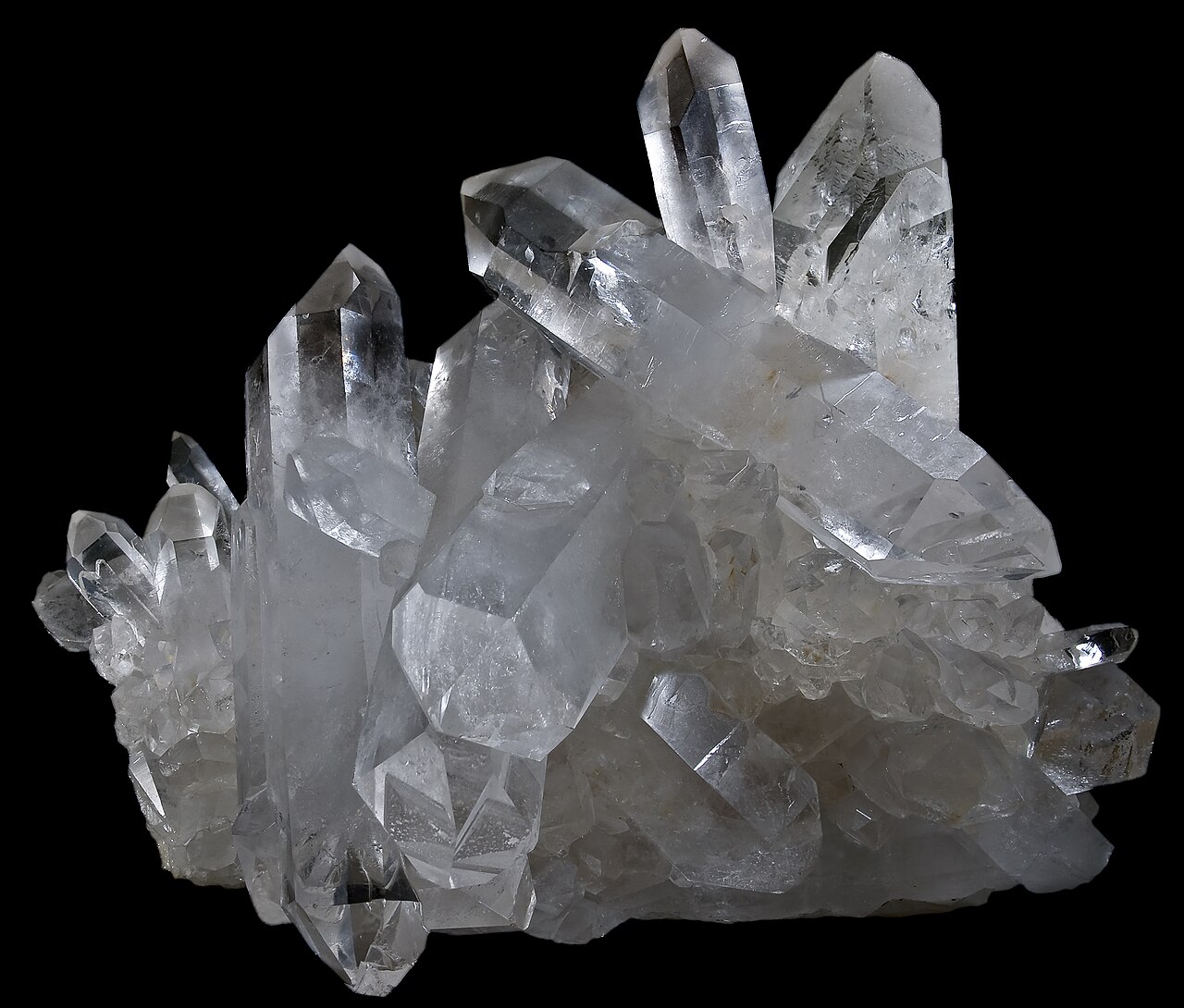
Get the rock identifier appQuartz vs calcite: how to tell them apart
See real quartz and calcite specimens side by side. Compare curved breaks and flat cleavage, then use the free observation sheet.
Read the guide ↗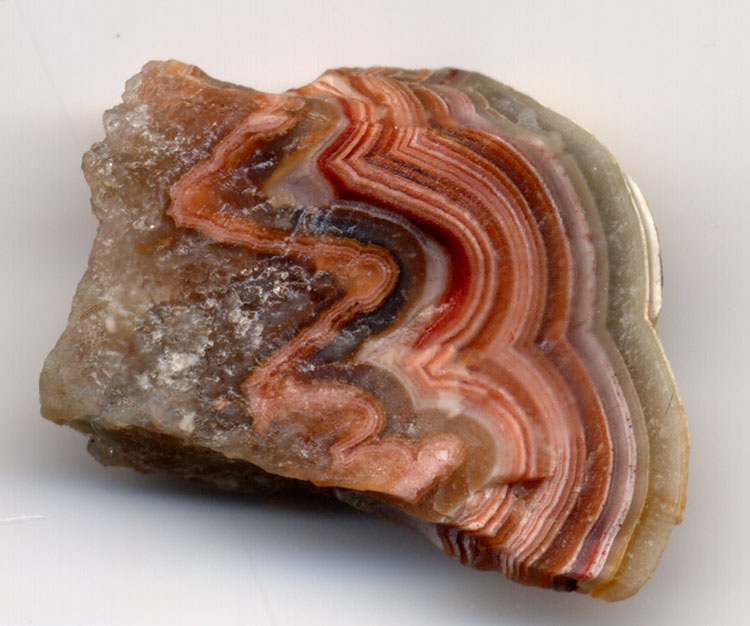
How to identify rough agate in the field
Learn what rough agate looks like in gravel. Compare photos of a Lake Superior beach pebble, exposed agate bands, and unpolished jasper.
Read the guide ↗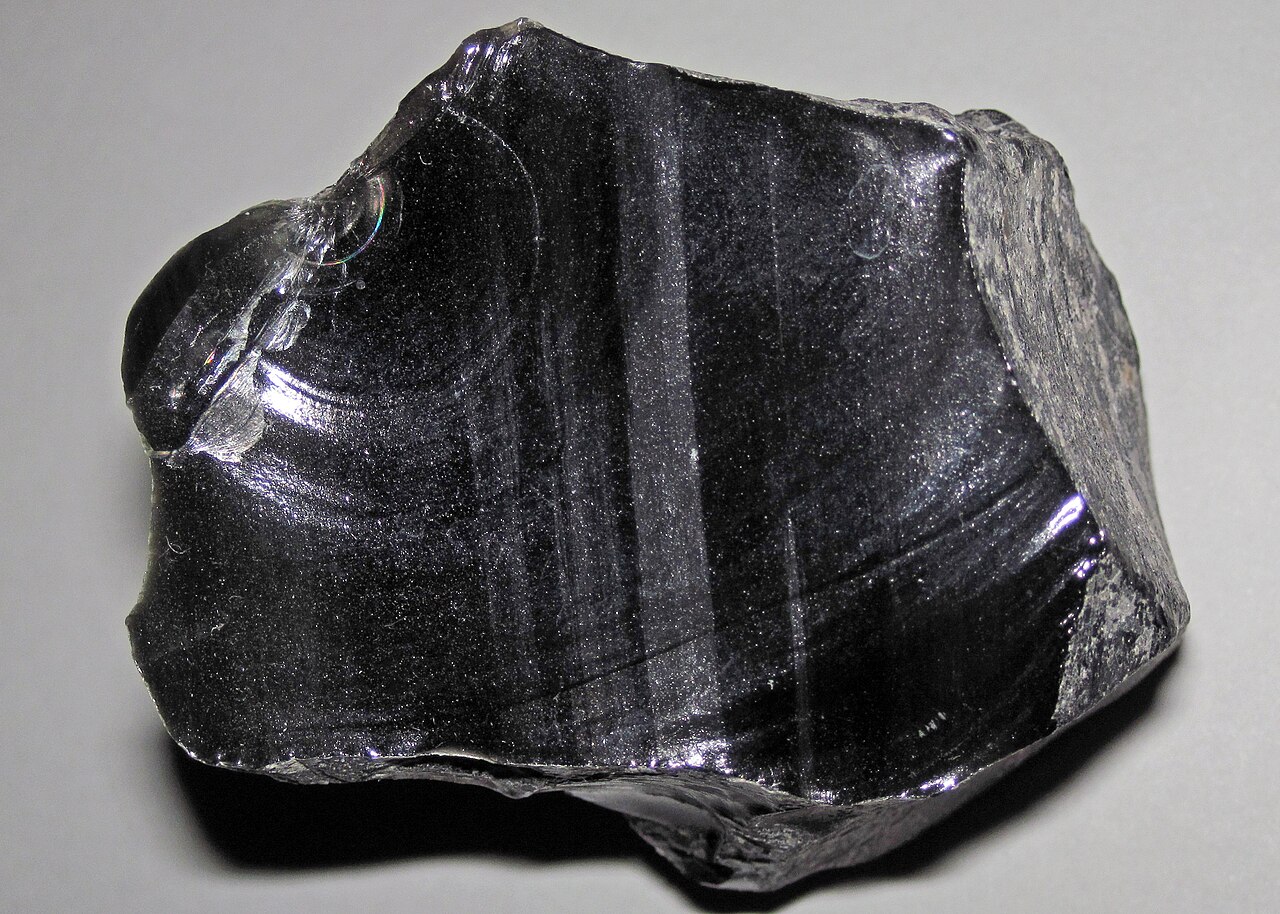
Obsidian vs onyx: how to tell black stones apart
Compare obsidian and onyx, including tumbled black stones. Learn which surface clues help, what an onyx label means, and what photos cannot confirm.
Read the guide ↗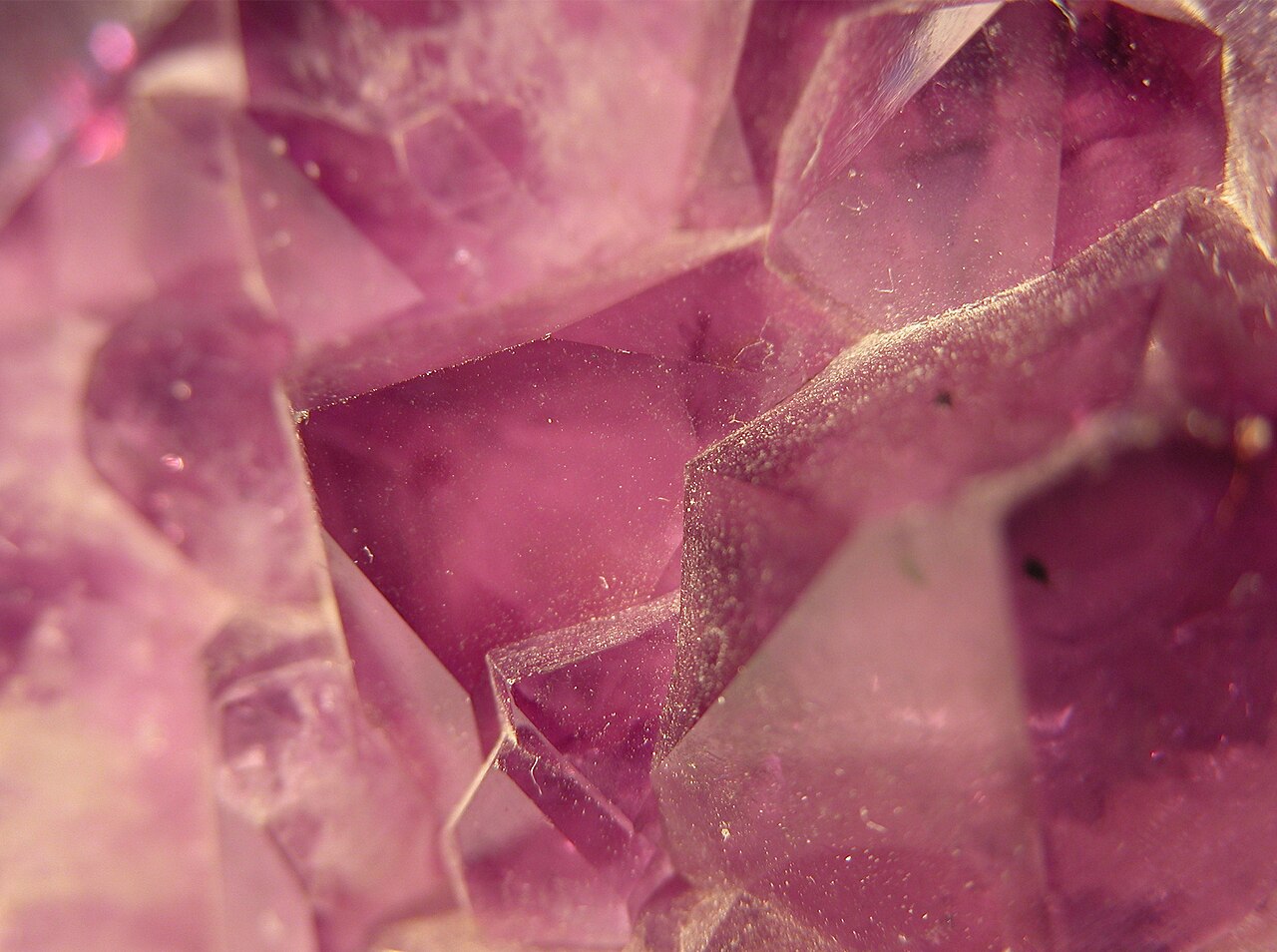
Amethyst vs fluorite: identify a purple crystal
Compare amethyst and purple fluorite by natural crystal shape, hardness and visible details. Includes photos, a shape diagram and tips for polished stones.
Read the guide ↗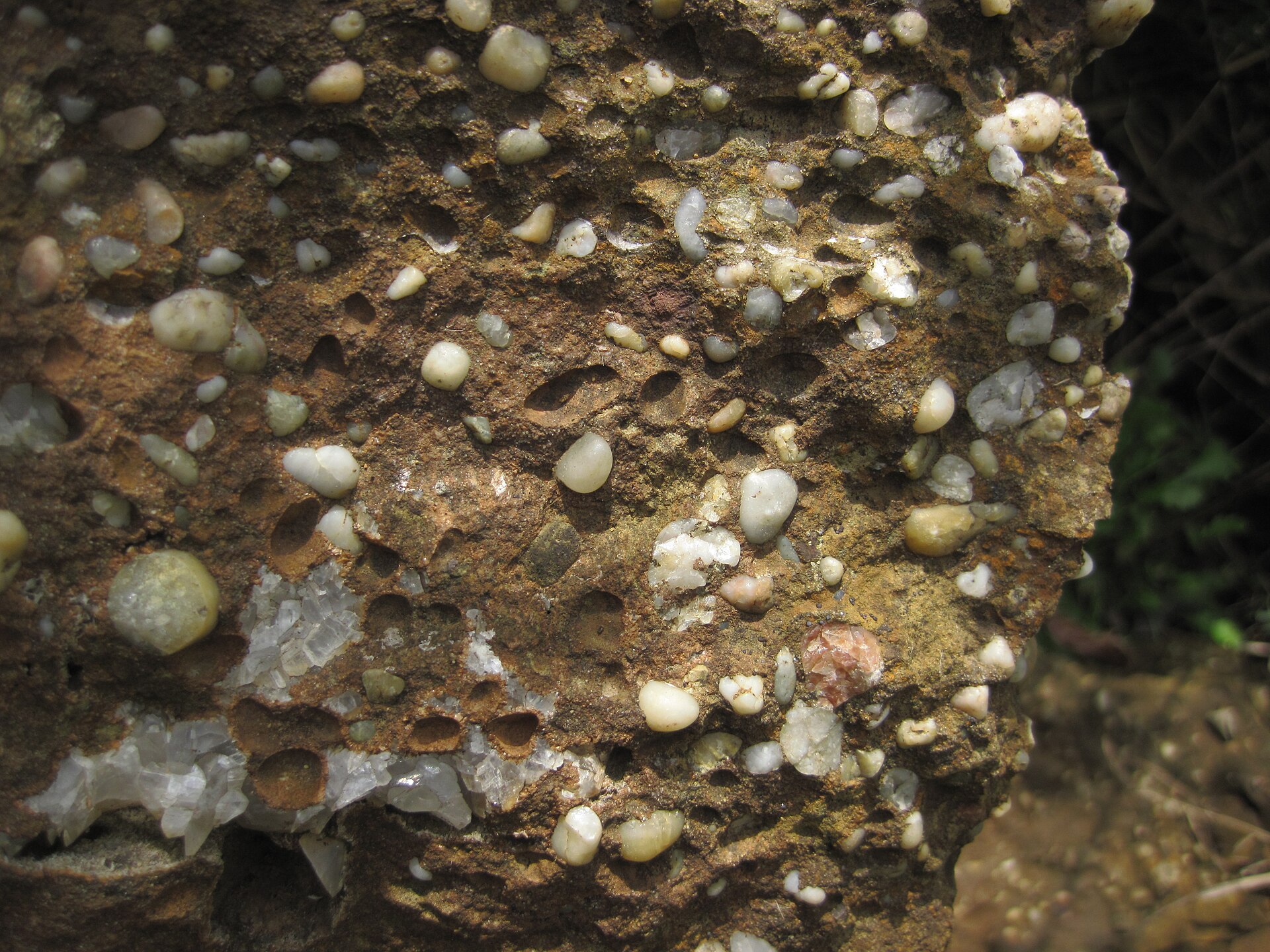
Conglomerate rock: how to recognize pebbles cemented together
Learn to identify conglomerate rock by its rounded pebbles and finer matrix, compare it with breccia, and record useful clues without breaking a specimen.
Read the guide ↗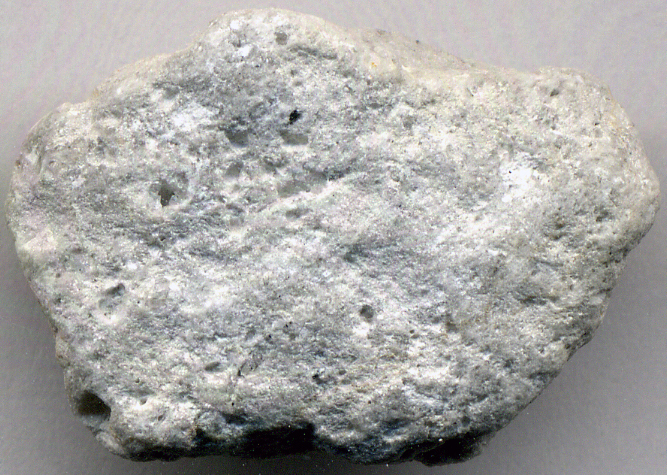
Pumice rock: the light, bubbly volcanic rock explained
Recognize pumice by its frothy volcanic texture and low density. Learn which clues matter, why some pieces float, and why holes alone do not prove an identity.
Read the guide ↗Rock vs mineral: the difference, with examples you can see
Understand the difference between rocks and minerals using quartz, granite, conglomerate, and obsidian, then apply it to a specimen without guessing from color.
Read the guide ↗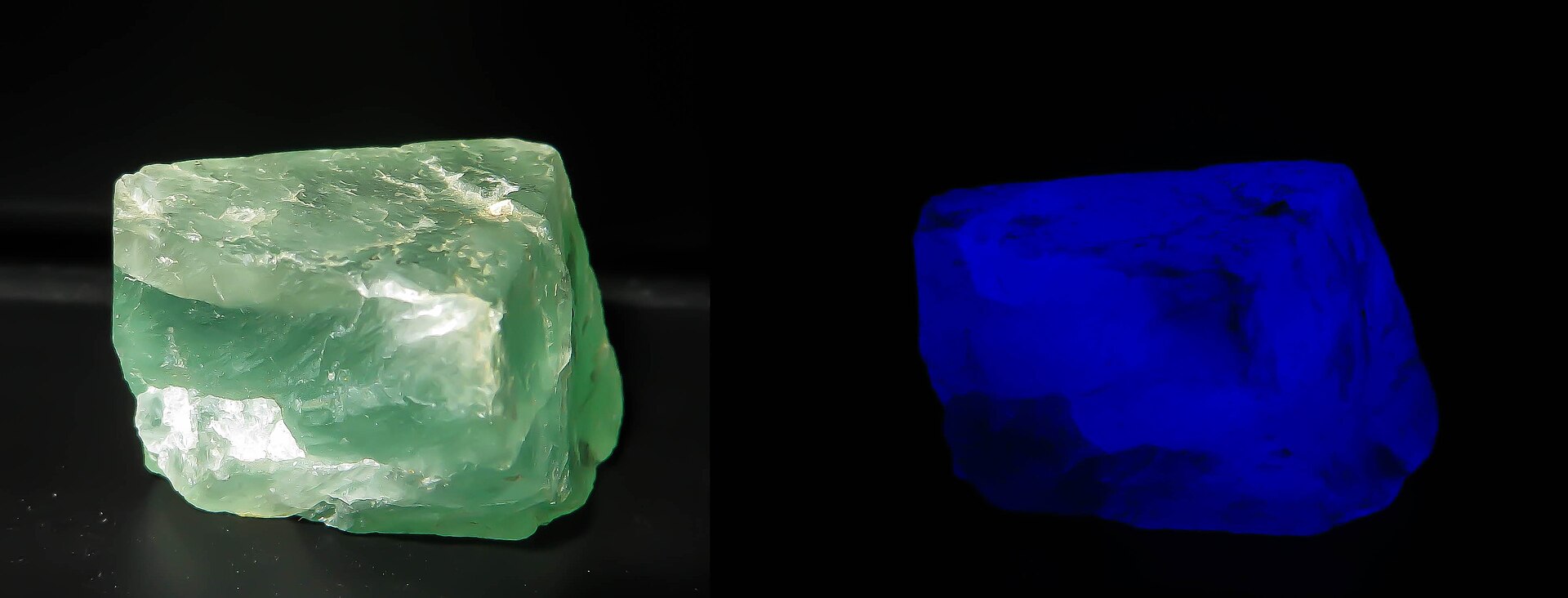
Green rocks: how to narrow down what you found
Green rocks are not all the same material. Compare grain size, crystal form, luster, and context using olivine, amphibole, fluorite, and green shale as examples.
Read the guide ↗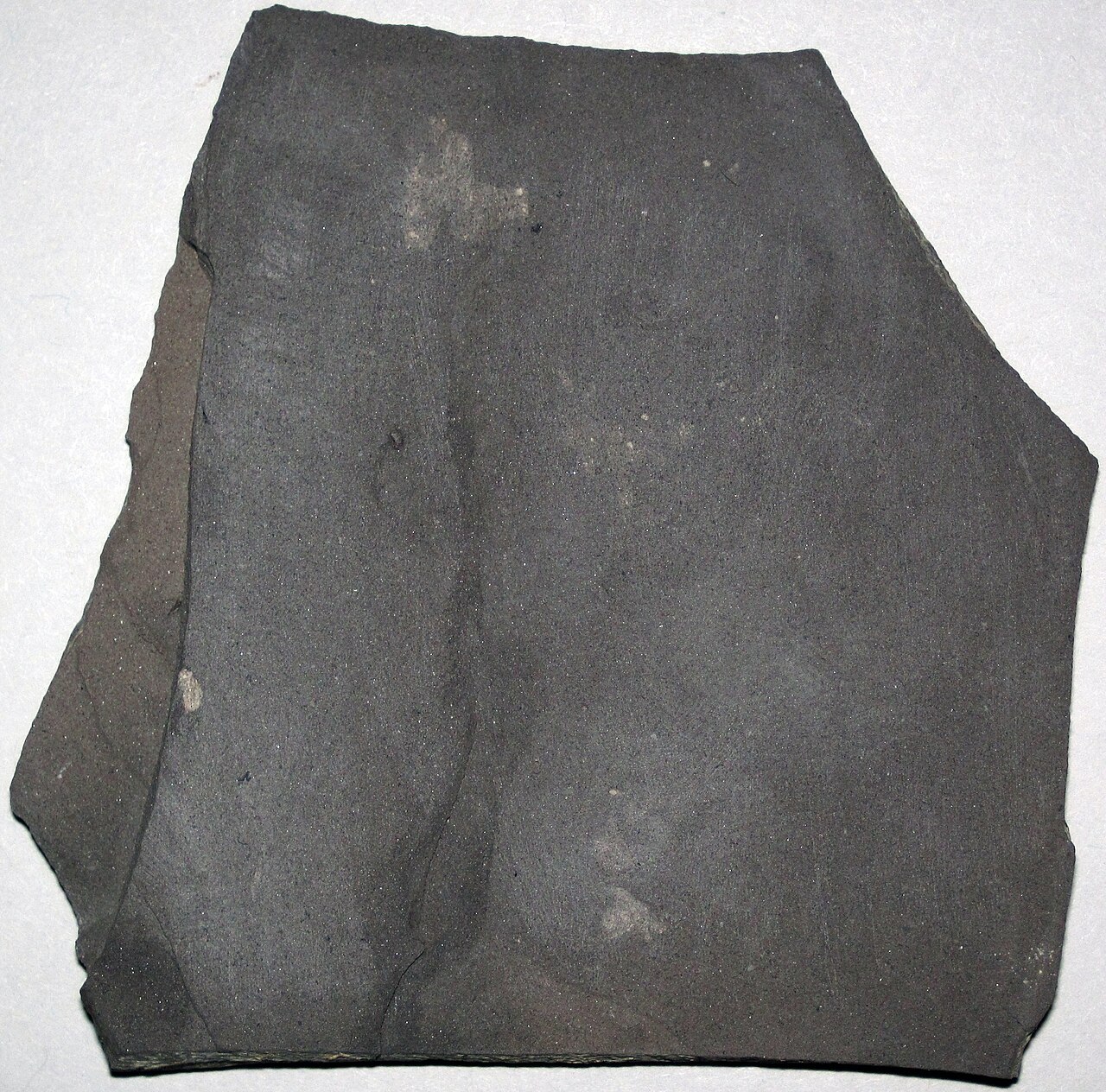
Shale rock: fine grains, thin layers, and identification clues
Learn what shale looks like, why many samples split into thin sheets, and how to record grain size and layering without assuming every dark flat rock is shale.
Read the guide ↗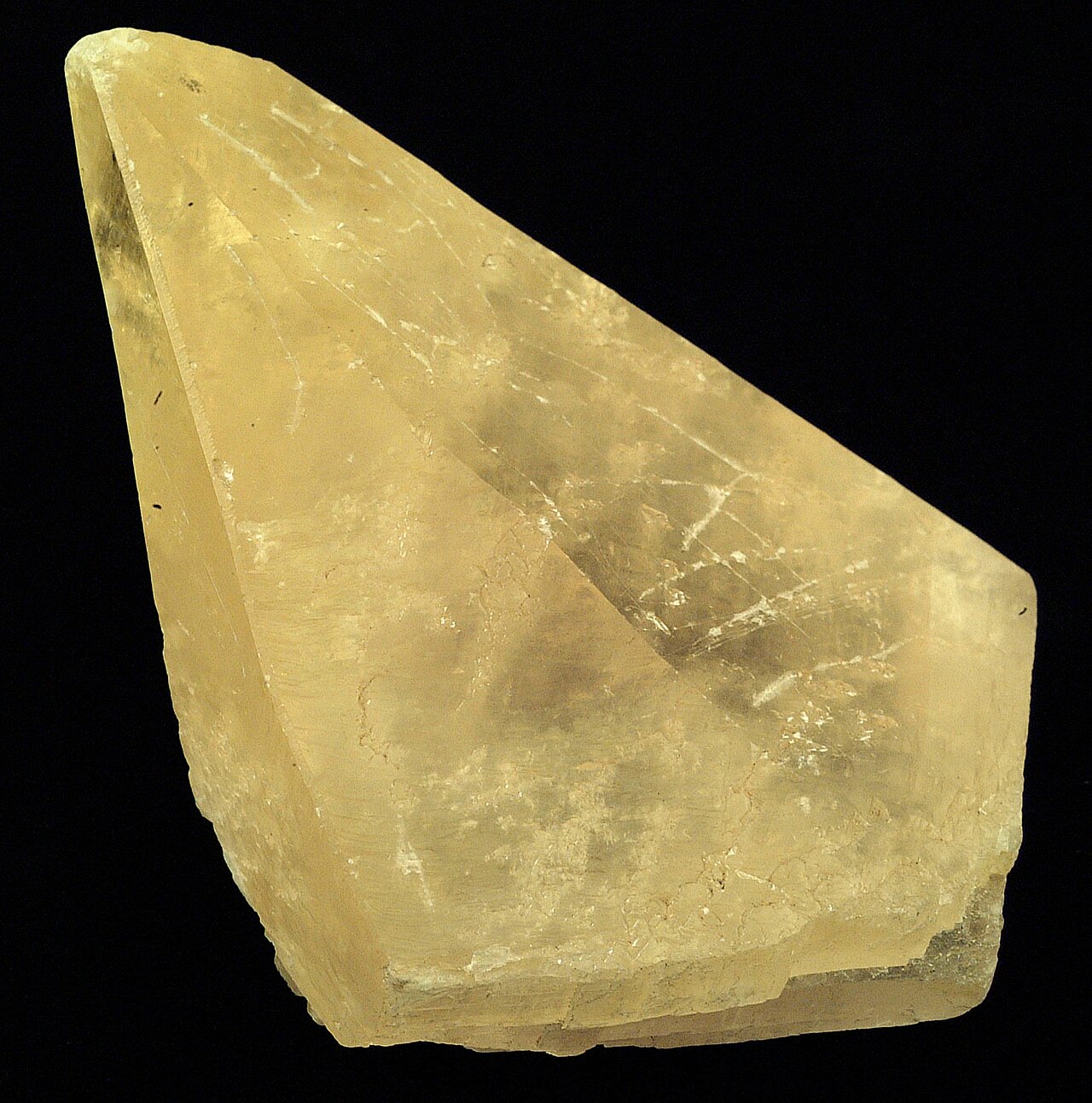
Calcite mineral: identification, cleavage and photos
Identify calcite using existing cleavage surfaces, crystal forms and hardness. Compare useful clues, common lookalikes and the limits of photo identification.
Read the guide ↗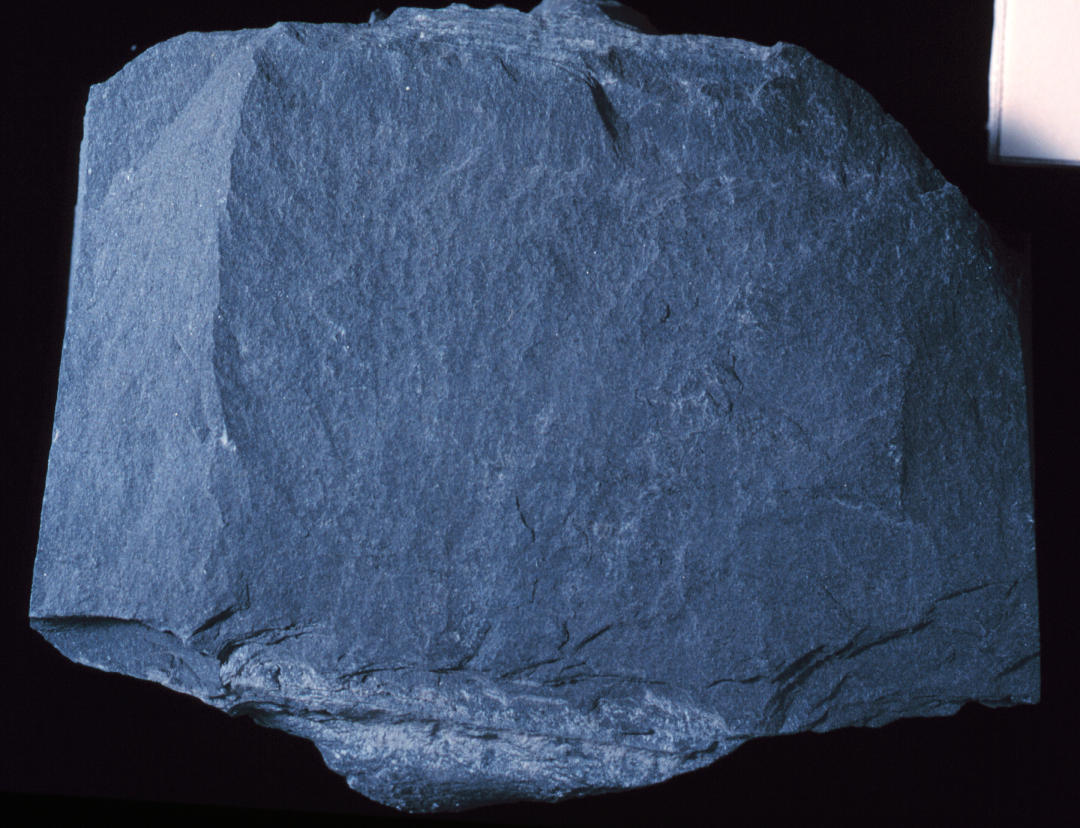
Slate rock identification: texture, cleavage and photos
Learn how to recognize slate by its fine texture and slaty cleavage. Compare shale and phyllite with a practical observation checklist and specimen photo.
Read the guide ↗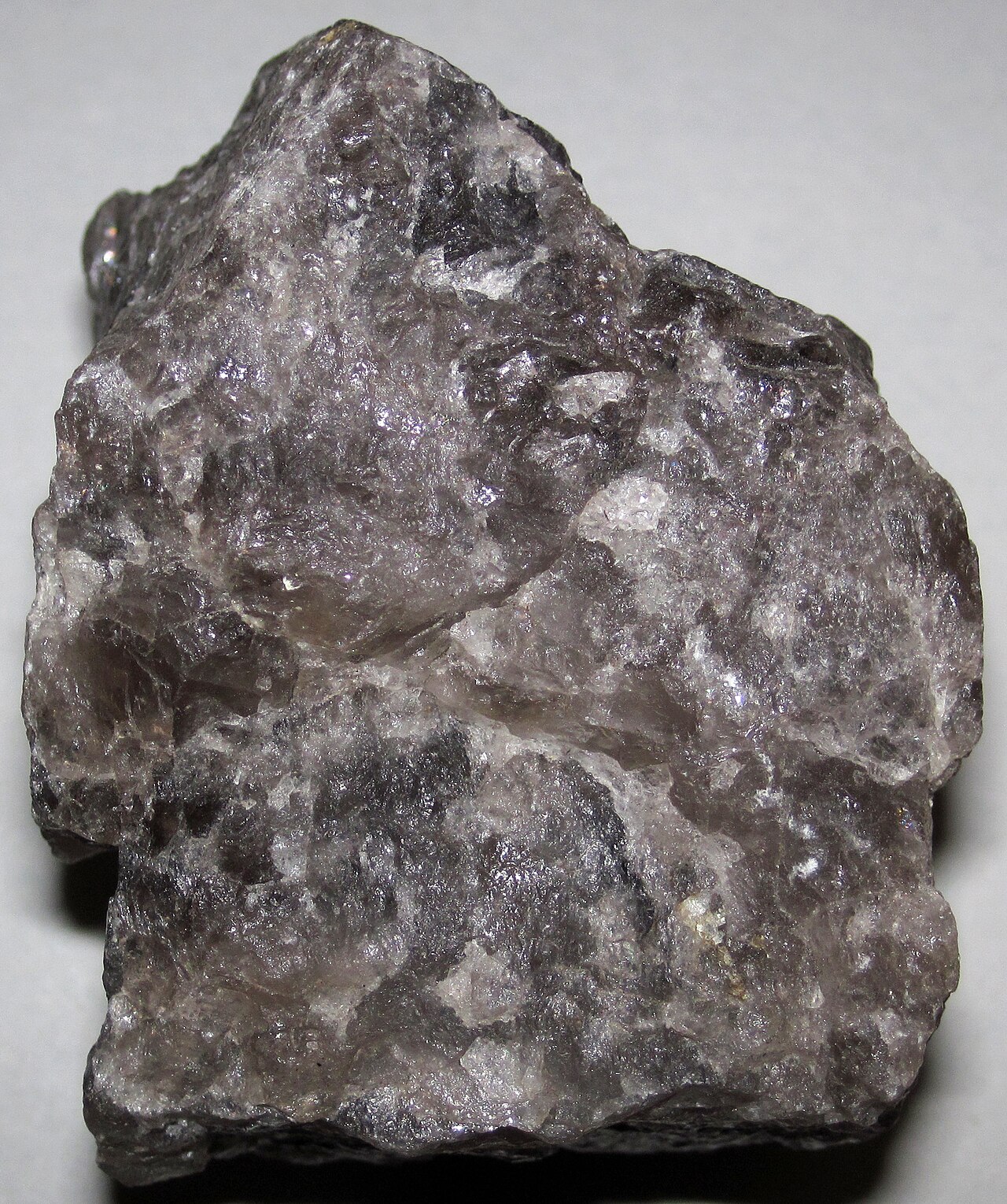
Smoky quartz identification: color, crystals and photos
Identify possible smoky quartz using color, crystal shape and existing breaks. Learn which clues help and why a photo cannot confirm treatment or authenticity.
Read the guide ↗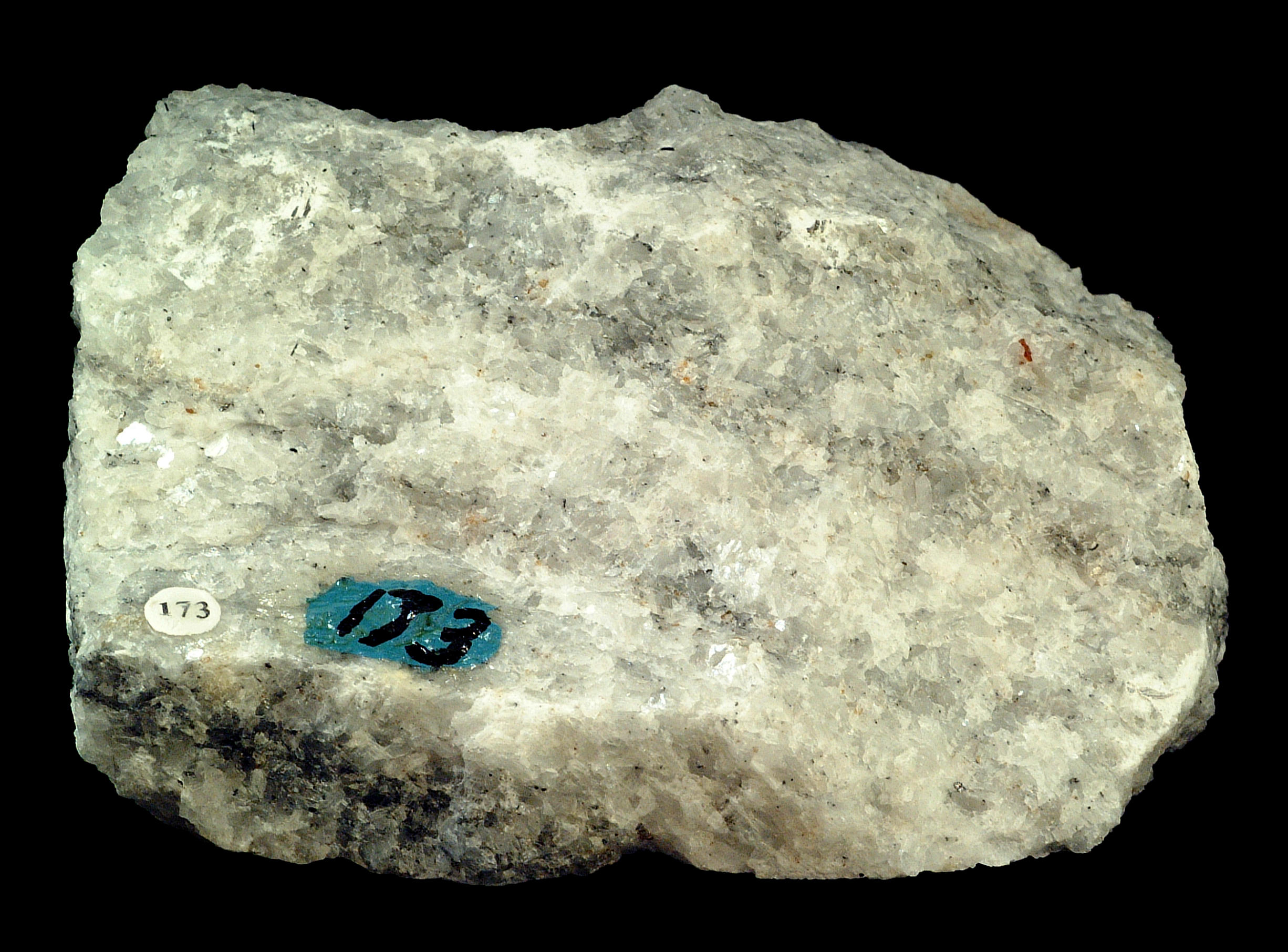
Marble rock: identification clues and common lookalikes
Identify possible marble rock by its grain texture. Compare limestone and quartzite, see real specimens, and learn what photographs and shop labels cannot prove.
Read the guide ↗Quartz crystal: natural shapes, faces and identification
Recognize quartz crystal faces and points, compare rough and polished specimens, and learn why quartz grains do not always have a visible crystal outline.
Read the guide ↗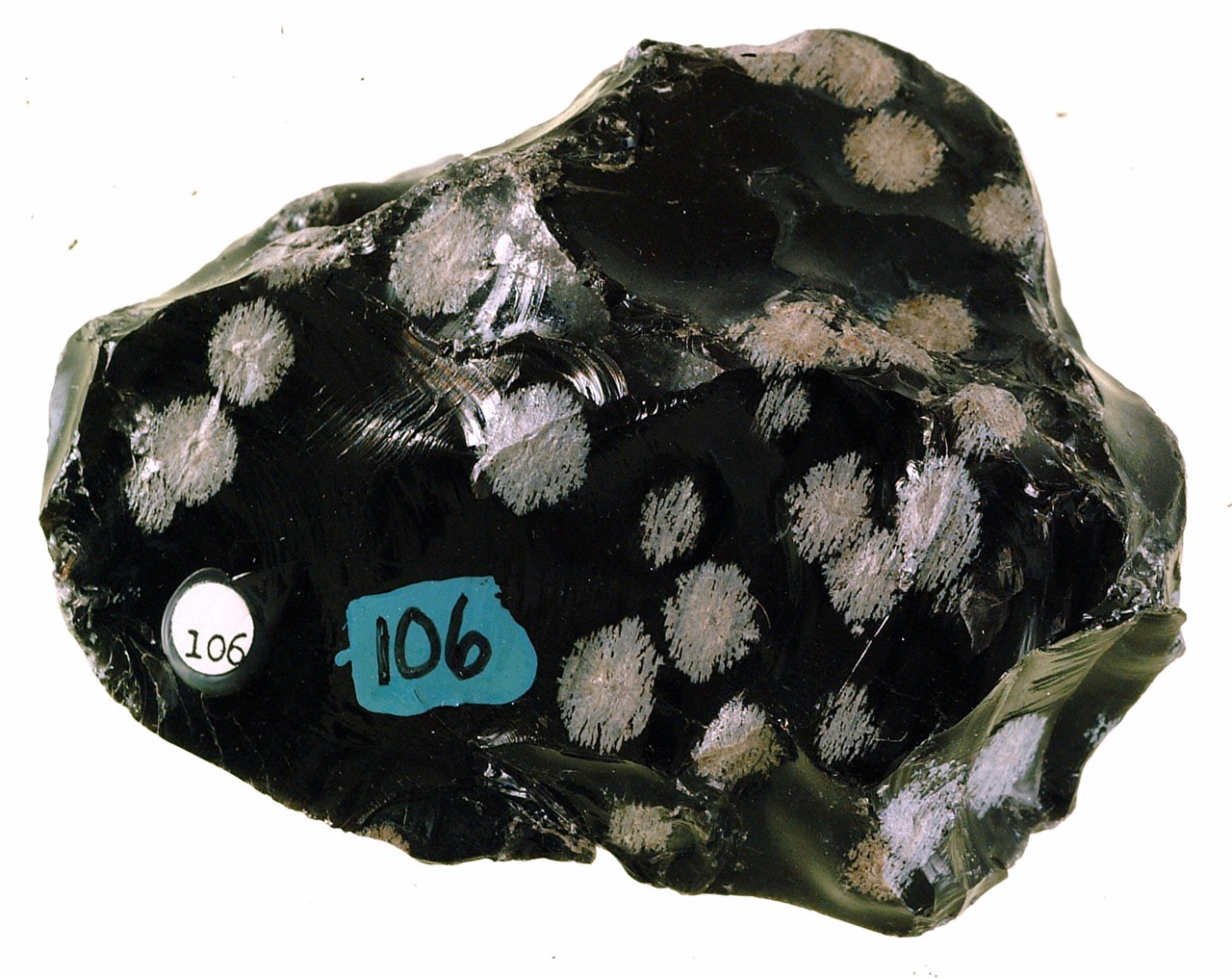
Snowflake obsidian: how to read the pale patches
Learn why snowflake obsidian has pale patches in dark volcanic glass, how to distinguish spots from glare, and what to photograph before identifying a find.
Read the guide ↗Slate vs shale: look at how the rock splits
Compare shale bedding and slate cleavage on a broken edge. Learn what a thin flake can and cannot tell you.
Read the guide ↗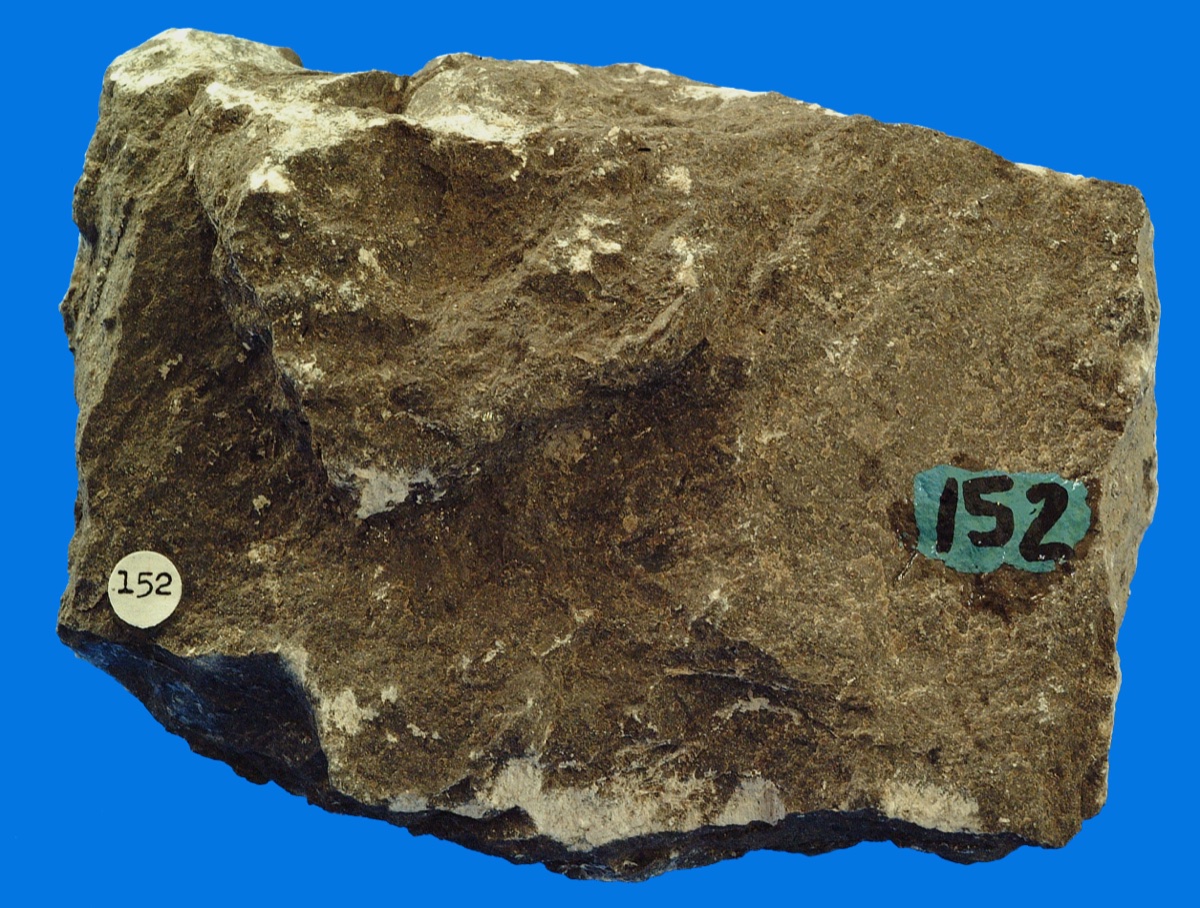
How to Identify Limestone in the Field
Learn how to identify limestone by looking for shell fragments, fine texture and layers. Compare it with marble and sandstone and see what to photograph.
Read the guide ↗Pumice vs. Scoria: How to Tell Them Apart
Compare the holes, wall thickness and weight of pumice and scoria. See two real specimens and learn why floating and color can mislead.
Read the guide ↗Black Shiny Rock Identification With Photos
Identify a black shiny rock by comparing real photos of obsidian, anthracite coal, hematite and slag. Check for curved breaks, bubbles and streak color.
Read the guide ↗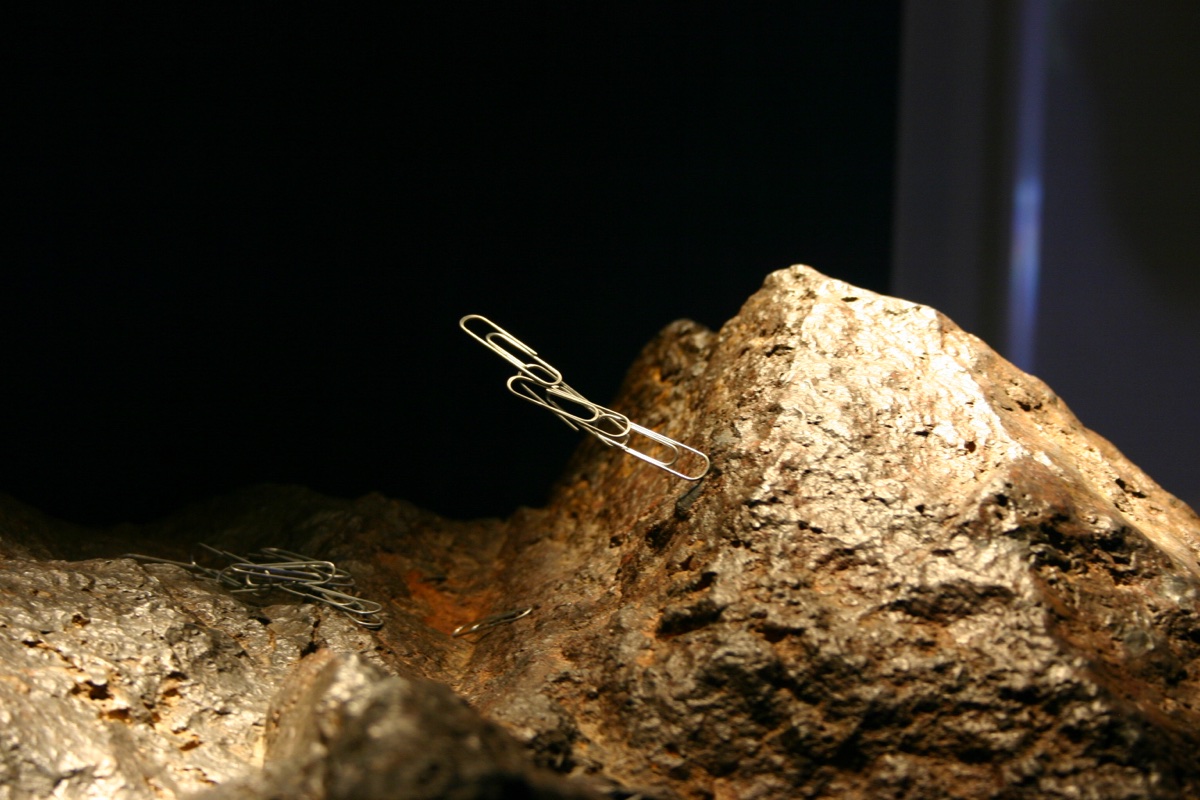
How to Identify Magnetic Rocks With Photos
Found a heavy rock that sticks to a magnet? Compare real photos of magnetite, iron slag and an iron meteorite, and learn which clues to check next.
Read the guide ↗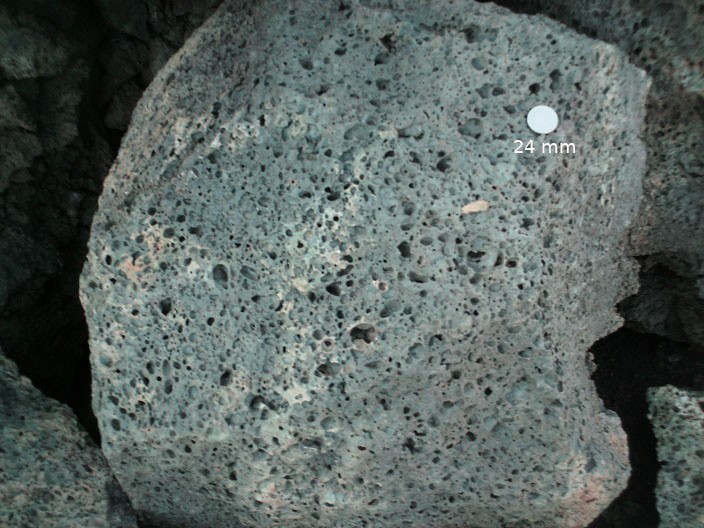
Vesicular basalt: How to recognize lava rock with holes
Identify possible vesicular basalt using its dark groundmass and gas-bubble holes. Compare scoria, pumice and filled cavities before naming your specimen.
Read the guide ↗Conglomerate vs. Breccia: How to Tell Them Apart
Compare rounded pebbles and angular fragments in real specimens. Learn how to read the outlines without mistaking pits or stains for clasts.
Read the guide ↗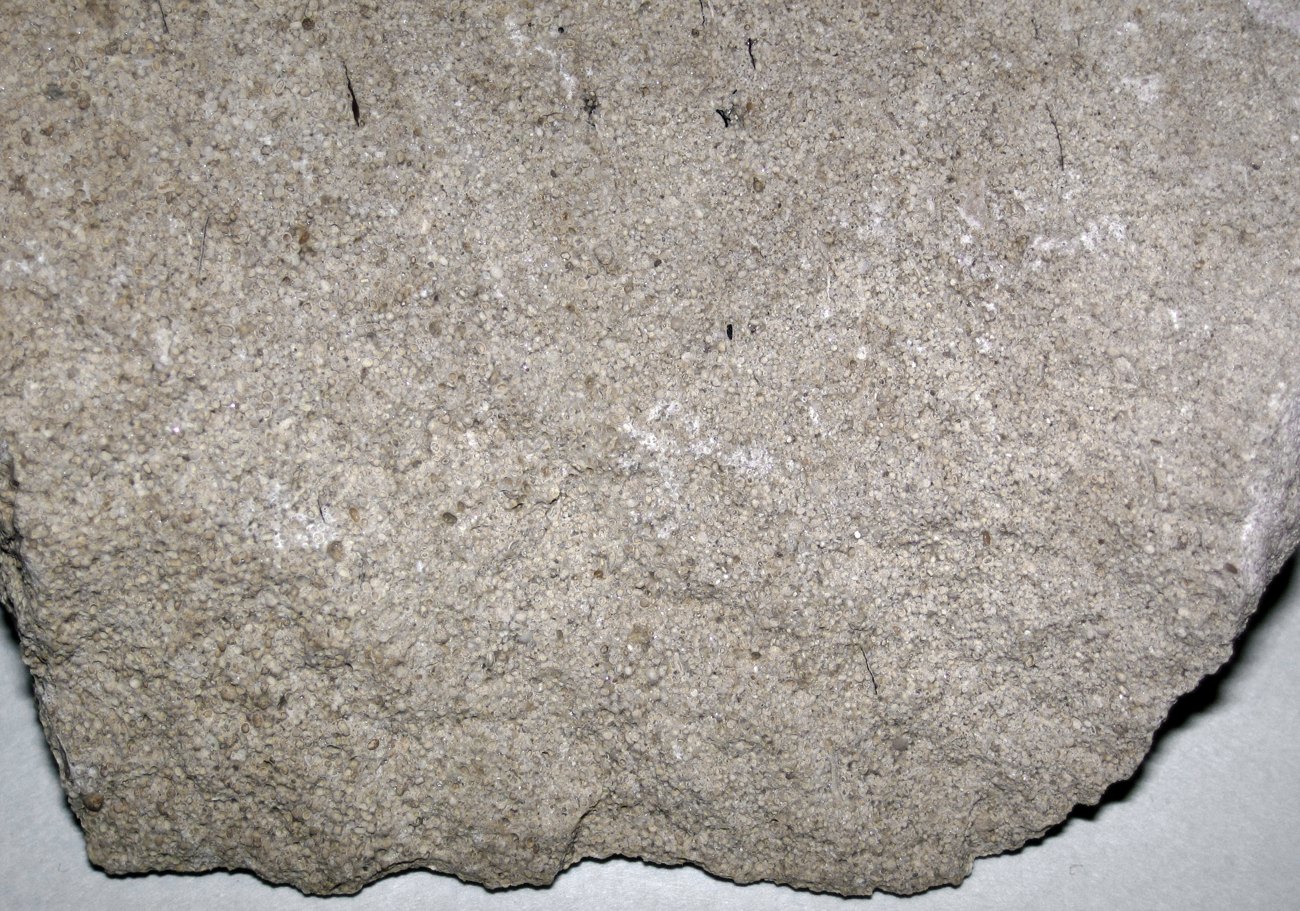
Oolitic Limestone vs. Sandstone and Fossiliferous Limestone
Use a hand lens and three real rock photos to distinguish ooids from quartz sand and shell fragments. Download the printable grain comparison plate.
Read the guide ↗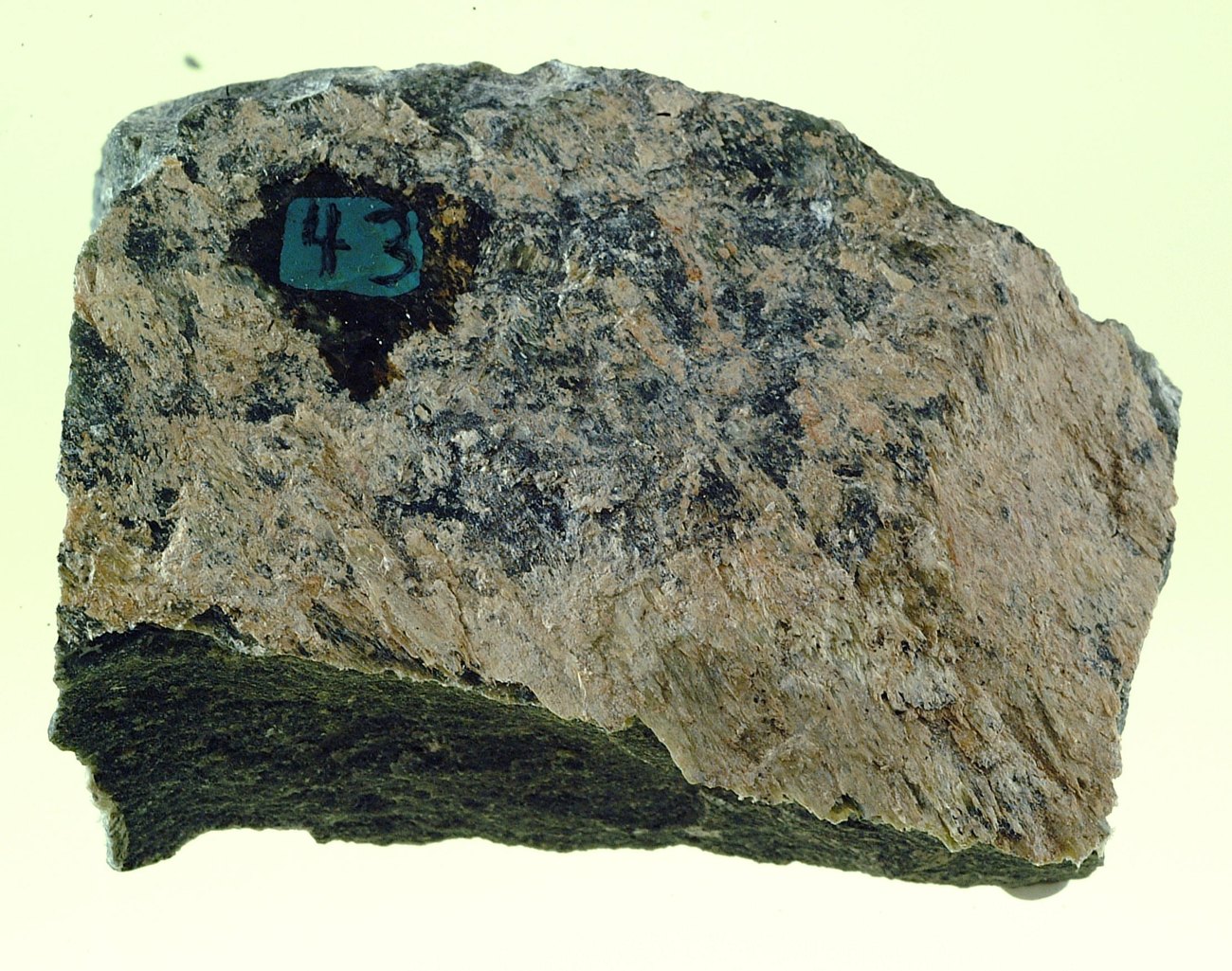
Serpentinite vs. Greenstone in a Hand Specimen
Compare serpentinite and metamorphosed basalt using two labeled specimens, vein patterns and volcanic textures. Includes a printable comparison sheet.
Read the guide ↗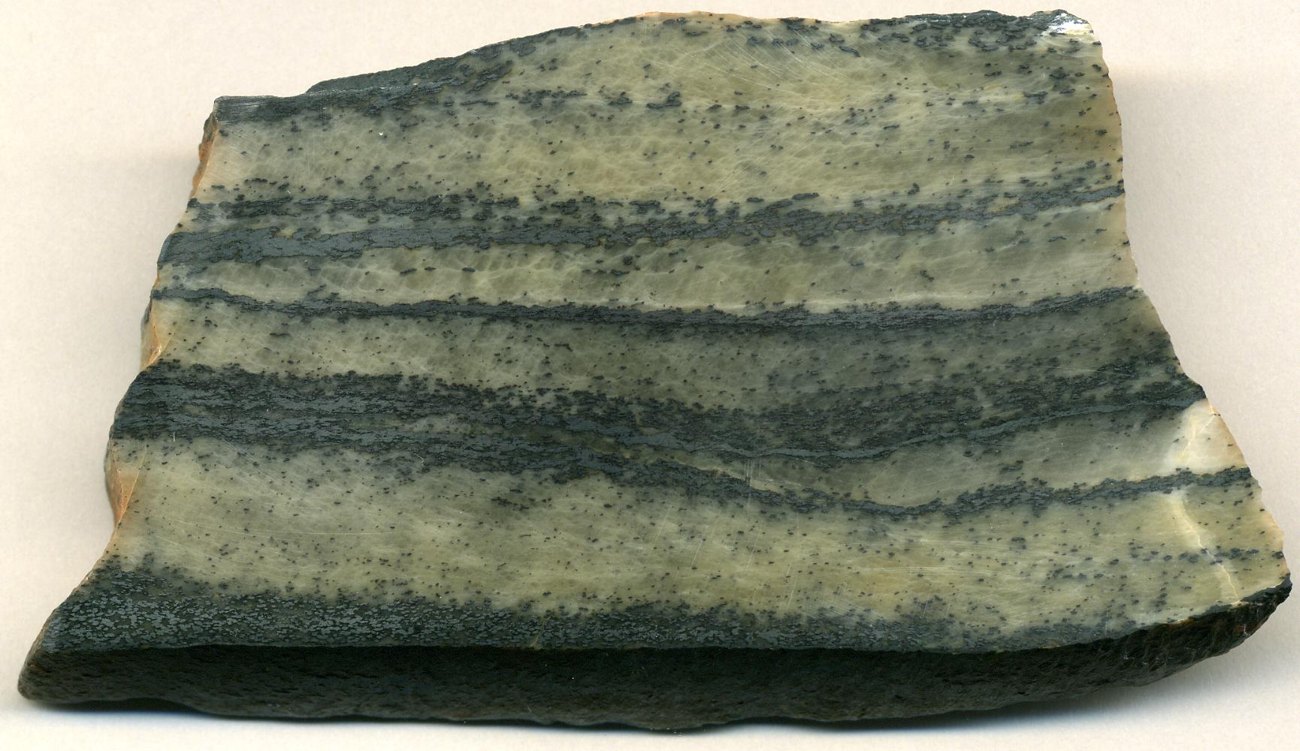
How to Identify Banded Iron Formation in a Hand Specimen
Trace iron-rich and silica-rich bands in two documented specimens. Compare BIF with jasper, gneiss and stained rock, and print a field observation plate.
Read the guide ↗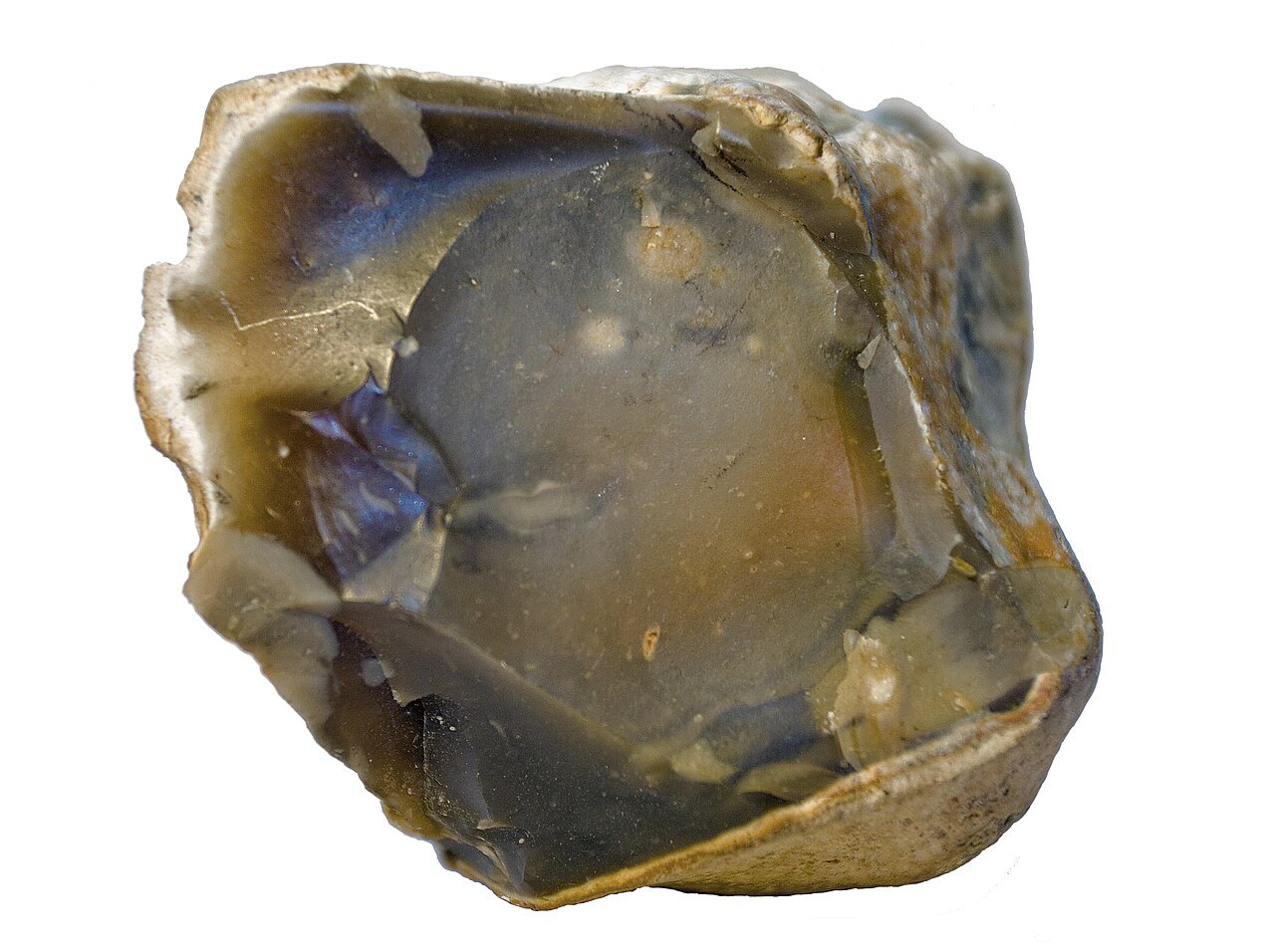
Chert vs Flint: Read the Broken Edge
Compare a flint fracture, a chalk nodule and beds of chert in real photographs. Learn how to label a loose pebble and print a one-page field card.
Read the guide ↗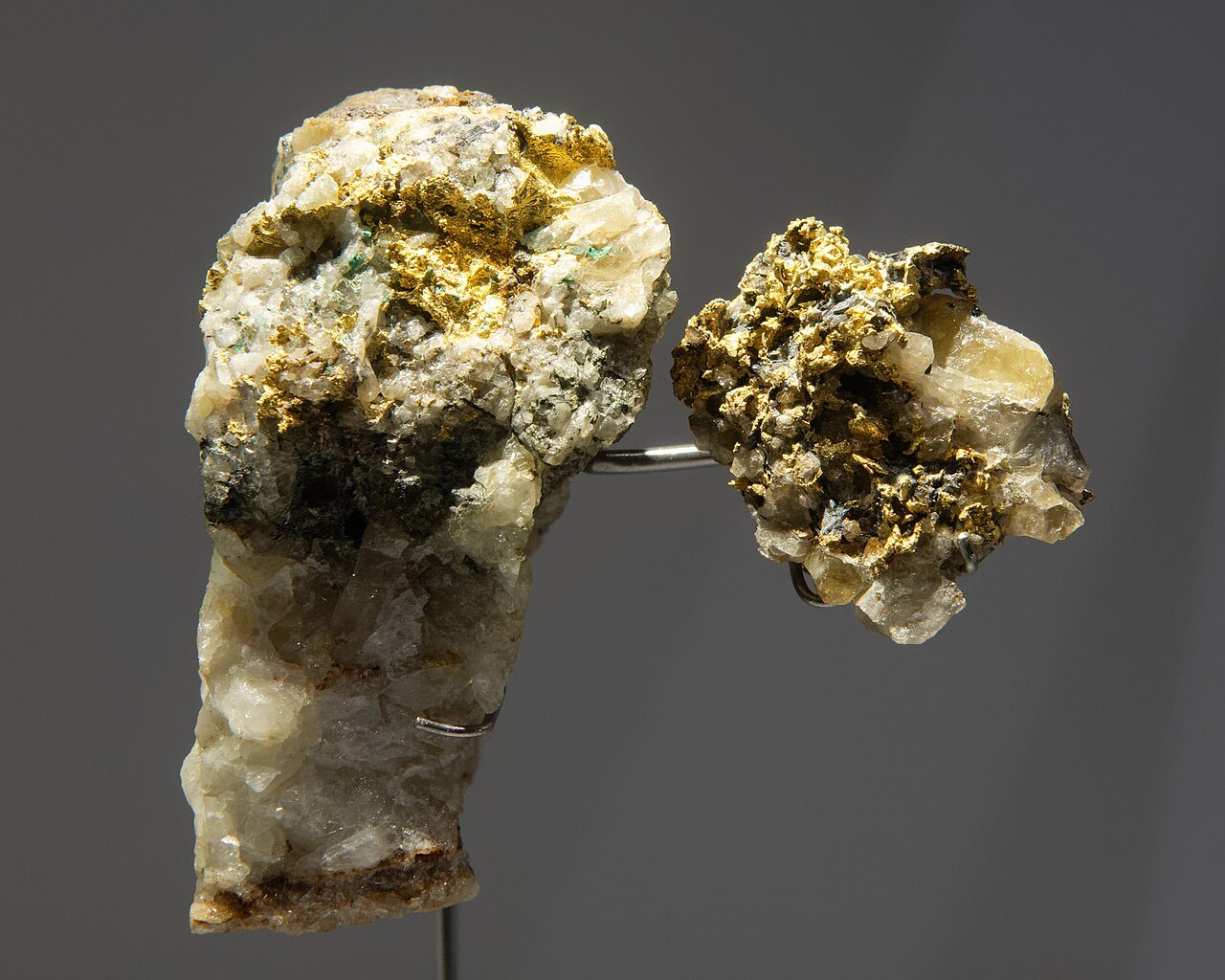
Shiny Flecks in Quartz: Gold, Pyrite or Mica?
Compare real gold in quartz, a pyrite cube and mica sheets. Use grain shape, streak and softness to identify a shiny fleck and print a field card.
Read the guide ↗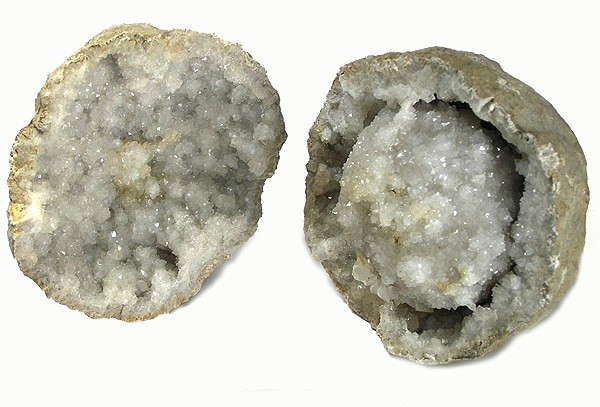
How to Tell If a Rock Is a Geode
Compare the outside and inside of real geodes. Learn which clues to record, how concretions and thundereggs can look similar, and what confirms a geode.
Read the guide ↗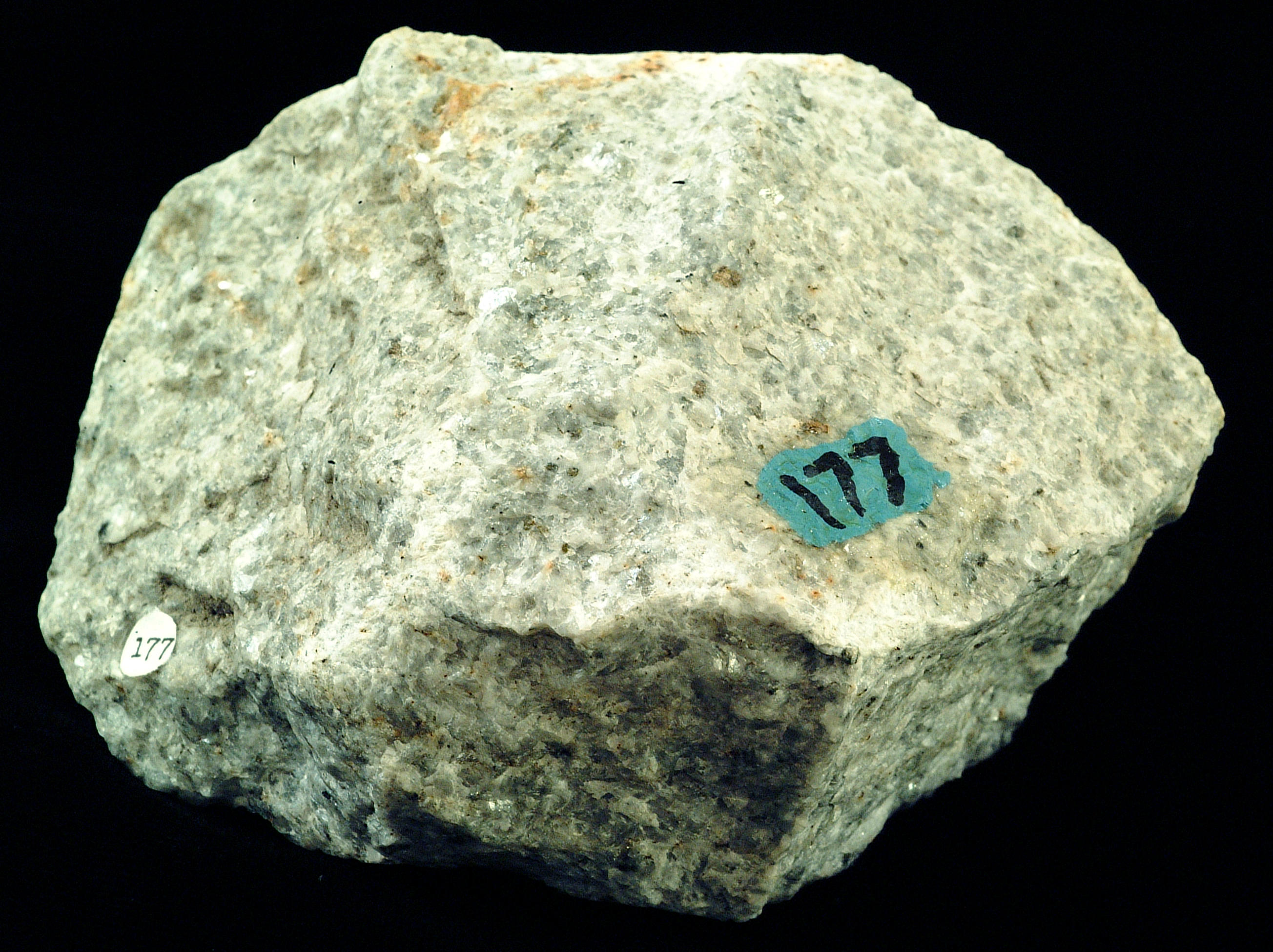
Marble vs. Quartzite: Three Identification Clues
Compare real marble and quartzite photos. Learn what grain texture can show, when hardness helps, and why a countertop name can be misleading.
Read the guide ↗How to photograph a rock for a stone identifier app
Take a useful first photo of a rock with your phone. See how to show crystal faces, avoid glare and choose the clearest picture for a scan.
Read the guide ↗Why does a rock identifier give my stone two names?
Compare two rock scan results using the stone in your hand. Work through a purple crystal example and decide which clue to photograph next.
Read the guide ↗Agate vs jasper: check the bands and thin edges
Compare banding and translucency on a naturally exposed surface, with a simple photo setup for rough finds.
Read the guide ↗Amethyst vs clear quartz: the same mineral in two colors
See why purple amethyst and clear rock crystal are both quartz, and how to document color zoning and crystal shape.
Read the guide ↗How to identify a rock online for free
Use a free visual key to narrow down a rock you found. Compare grains, bands and shiny surfaces with labeled specimens, or try a photo scan on your phone.
Read the guide ↗What stone is this? How to read a crystal picture
Use a labeled crystal photo to separate visible clues from guesses. Learn what a point, a flat face or a polished edge can tell you about an unknown stone.
Read the guide ↗ ROCK SCAN
Identify your rocks
Take a photo to explore a possible match.
iPhone and Android · In-app purchases