 Stone Identifier
Stone comparisons
Start with a feature you can see in your specimen, such as an existing break, a band or a crystal face. Choose a comparison below and check a second clue before settling on a name.
Choose a comparison by what you see
- Thin layers or flat flakes. In slate vs. shale, check whether the splitting surfaces cross an older layer or follow it.
- A clear or pale crystal. Compare quartz and calcite by looking for curved chips or repeated flat breaks.
- A purple crystal. The amethyst vs. fluorite guide shows which clues to check when color overlaps.
- A dark, shiny stone. Use obsidian vs. onyx to compare existing broken surfaces and visible banding.
- Several visible grains. The rock vs. mineral guide helps you decide whether to describe the whole specimen or one of its components.
Get a closer look without damaging the specimen
Take one photo of the whole specimen beside a ruler and one close-up of an existing edge in soft light. A polished surface can hide the features you need, so record what you can see and keep uncertain matches open. The printable identification checklist has space for both observations.
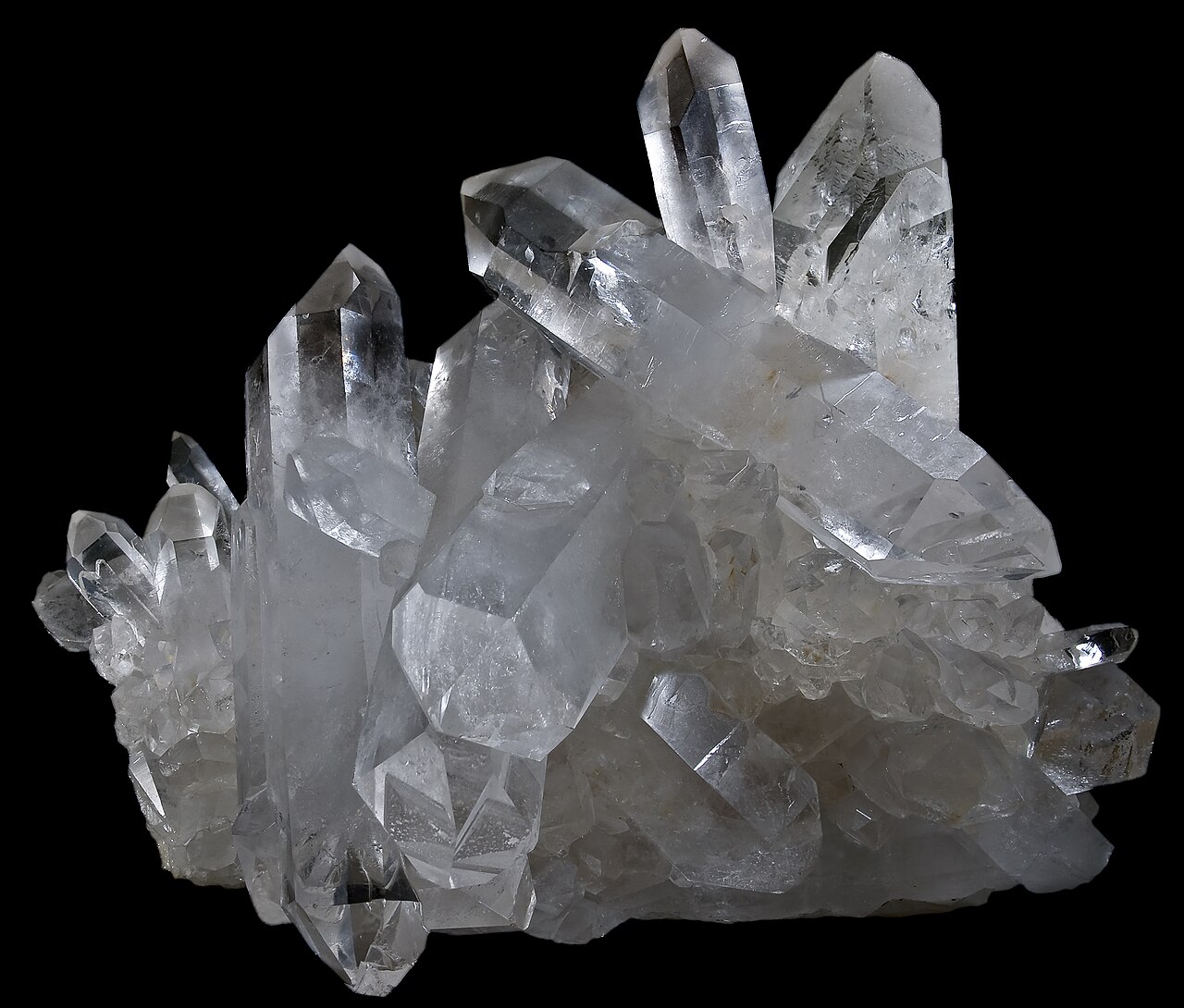
Quartz vs calcite: how to tell them apart
See real quartz and calcite specimens side by side. Compare curved breaks and flat cleavage, then use the free observation sheet.
Read the guide ↗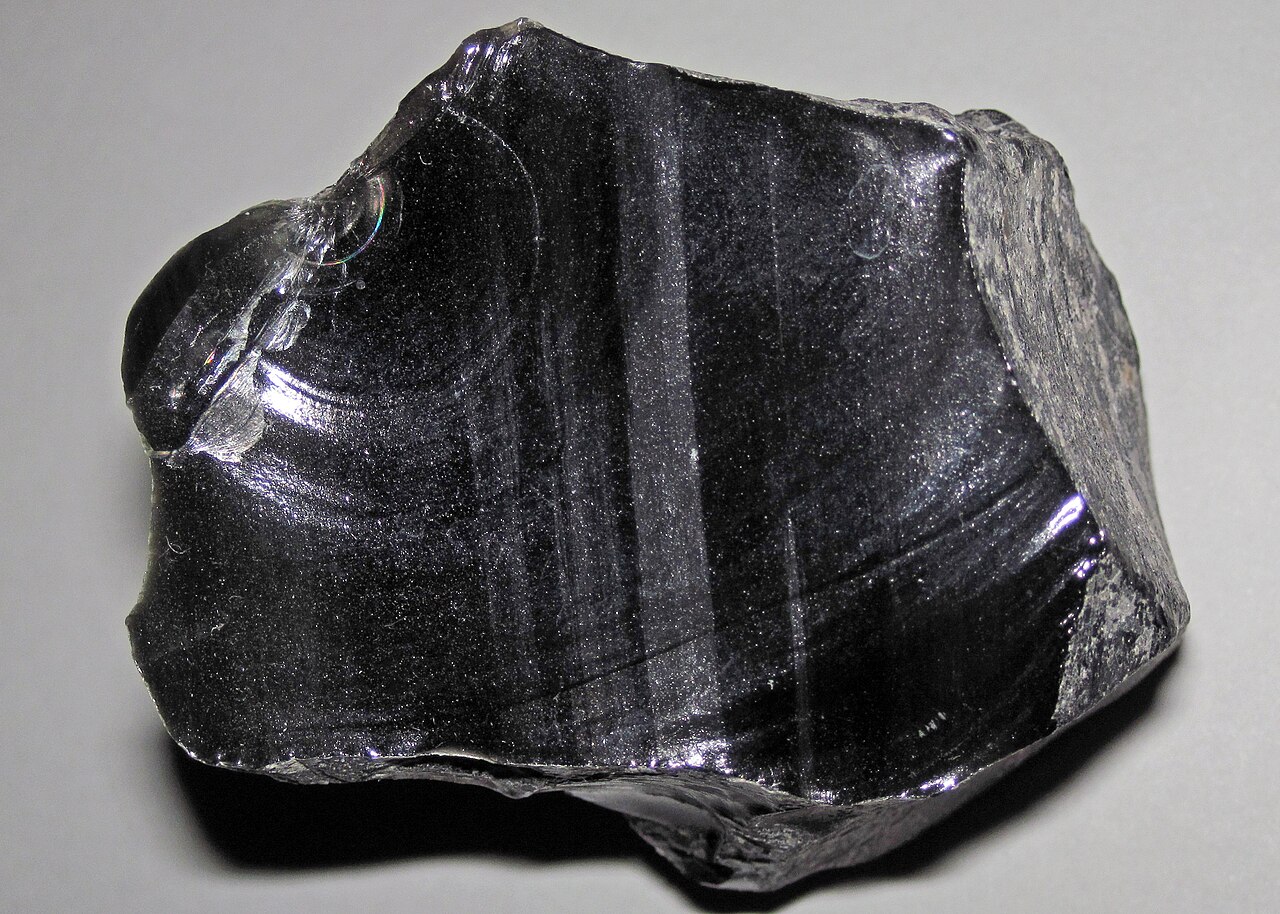
Obsidian vs onyx: how to tell black stones apart
Compare obsidian and onyx, including tumbled black stones. Learn which surface clues help, what an onyx label means, and what photos cannot confirm.
Read the guide ↗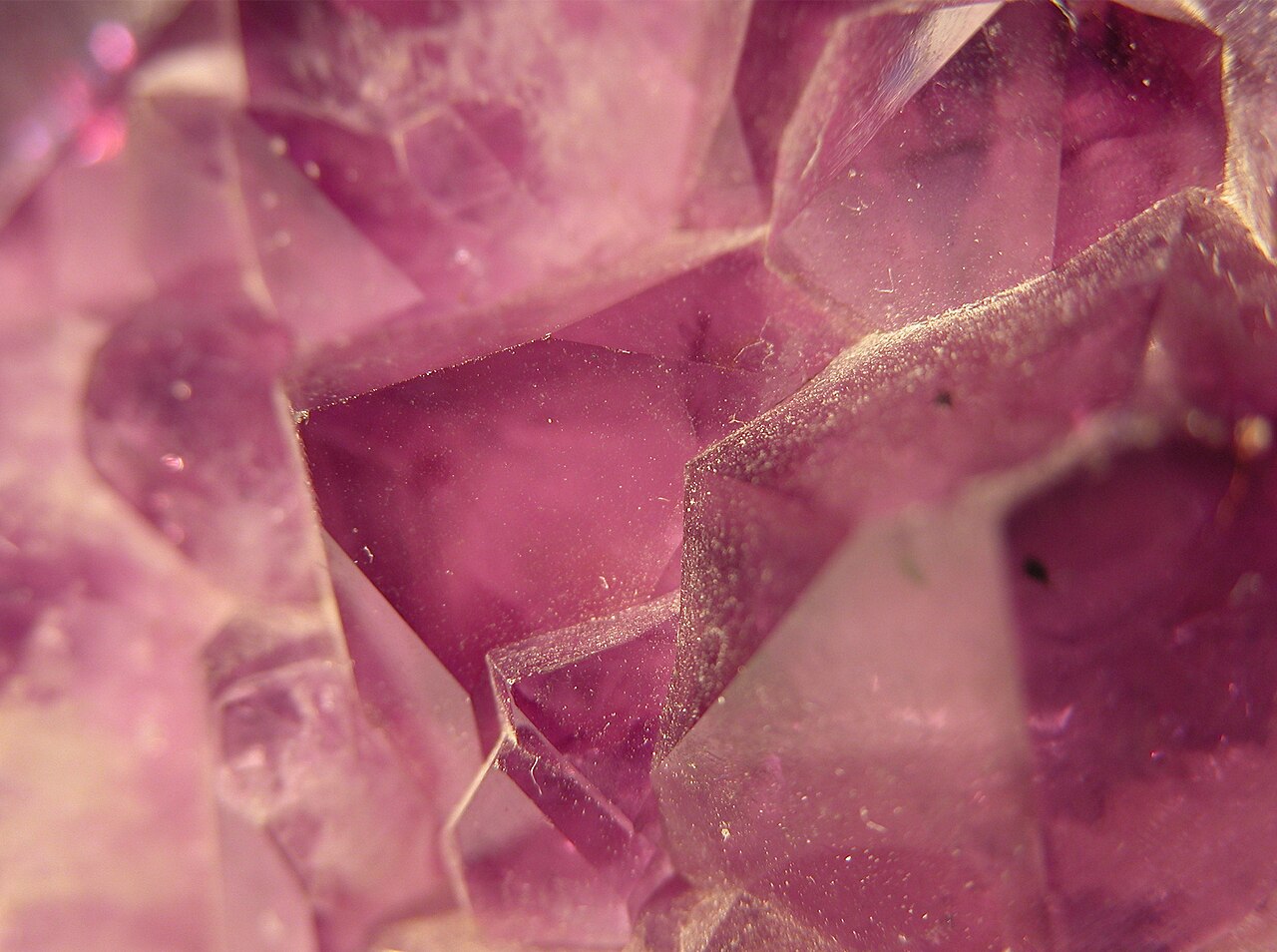
Amethyst vs fluorite: identify a purple crystal
Compare amethyst and purple fluorite by natural crystal shape, hardness and visible details. Includes photos, a shape diagram and tips for polished stones.
Read the guide ↗Rock vs mineral: the difference, with examples you can see
Understand the difference between rocks and minerals using quartz, granite, conglomerate, and obsidian, then apply it to a specimen without guessing from color.
Read the guide ↗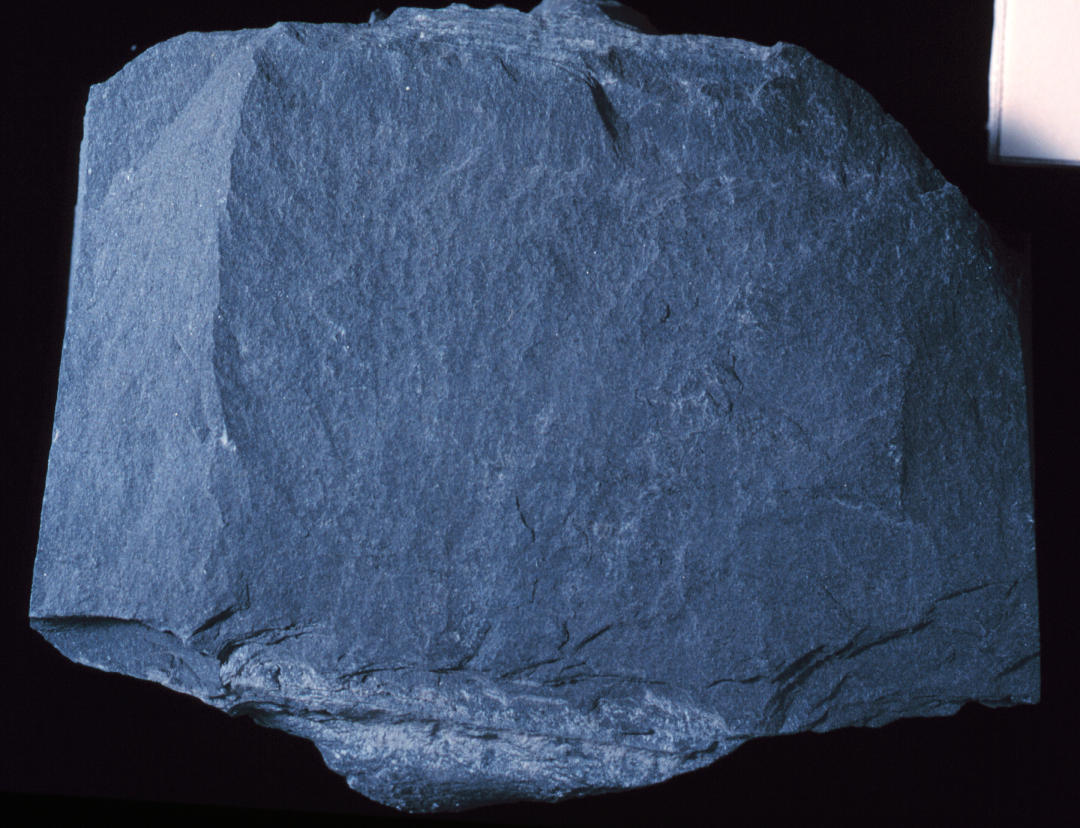
Slate vs shale: look at how the rock splits
Compare shale bedding and slate cleavage on a broken edge. Learn what a thin flake can and cannot tell you.
Read the guide ↗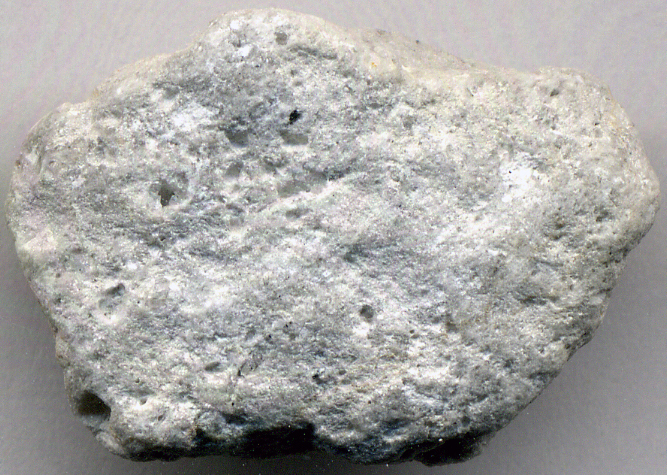
Pumice vs. Scoria: How to Tell Them Apart
Compare the holes, wall thickness and weight of pumice and scoria. See two real specimens and learn why floating and color can mislead.
Read the guide ↗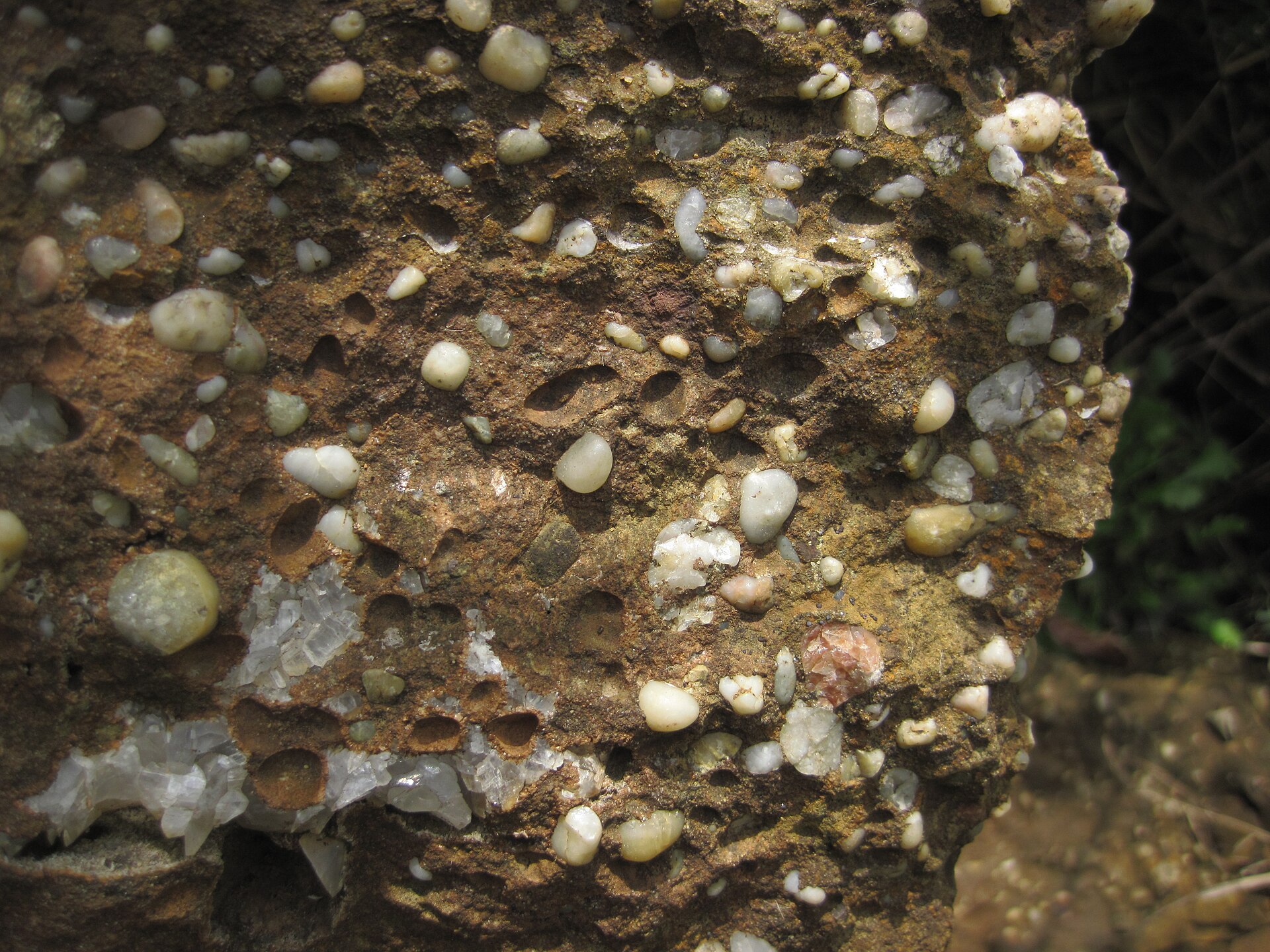
Conglomerate vs. Breccia: How to Tell Them Apart
Compare rounded pebbles and angular fragments in real specimens. Learn how to read the outlines without mistaking pits or stains for clasts.
Read the guide ↗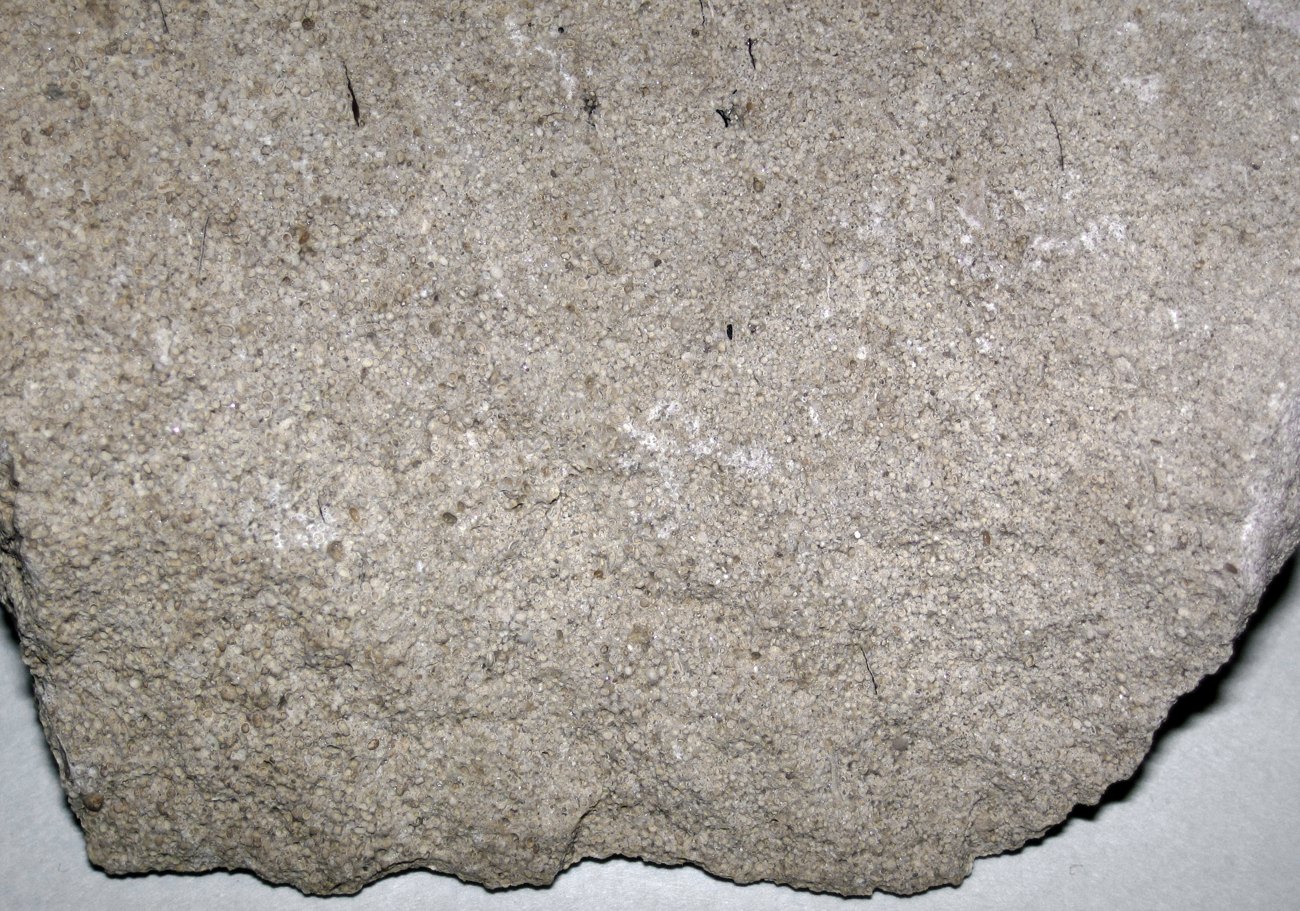
Oolitic Limestone vs. Sandstone and Fossiliferous Limestone
Use a hand lens and three real rock photos to distinguish ooids from quartz sand and shell fragments. Download the printable grain comparison plate.
Read the guide ↗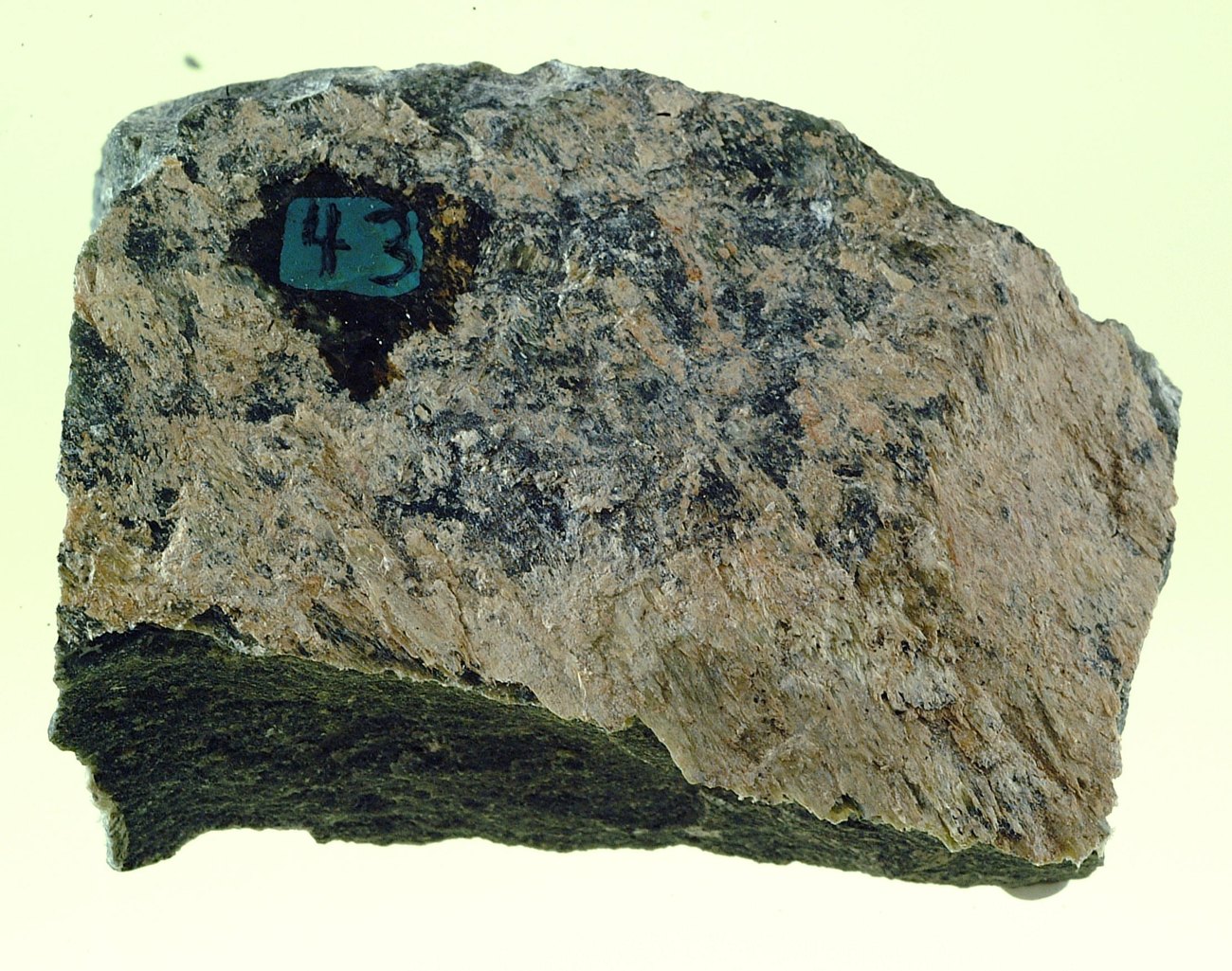
Serpentinite vs. Greenstone in a Hand Specimen
Compare serpentinite and metamorphosed basalt using two labeled specimens, vein patterns and volcanic textures. Includes a printable comparison sheet.
Read the guide ↗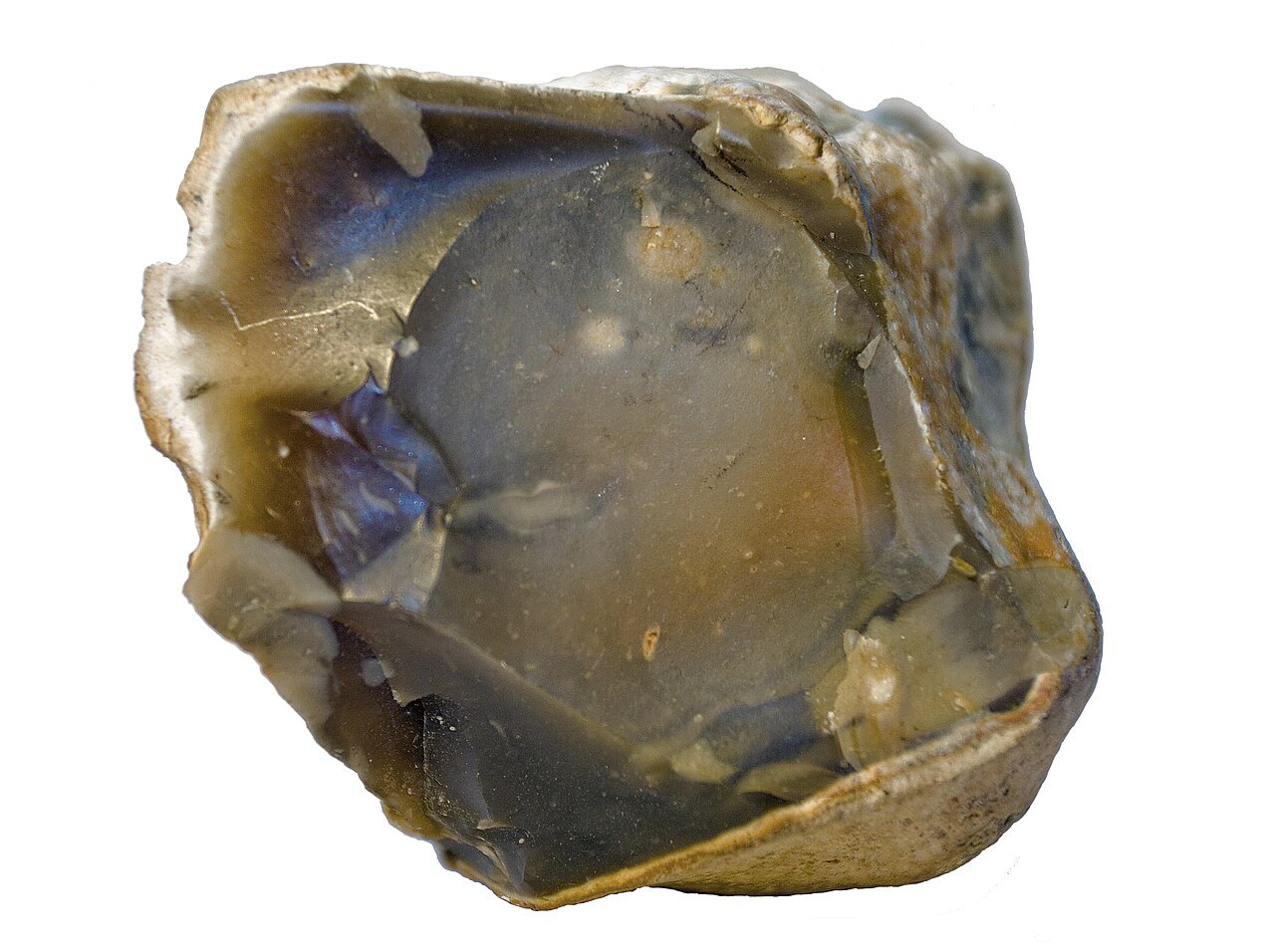
Chert vs Flint: Read the Broken Edge
Compare a flint fracture, a chalk nodule and beds of chert in real photographs. Learn how to label a loose pebble and print a one-page field card.
Read the guide ↗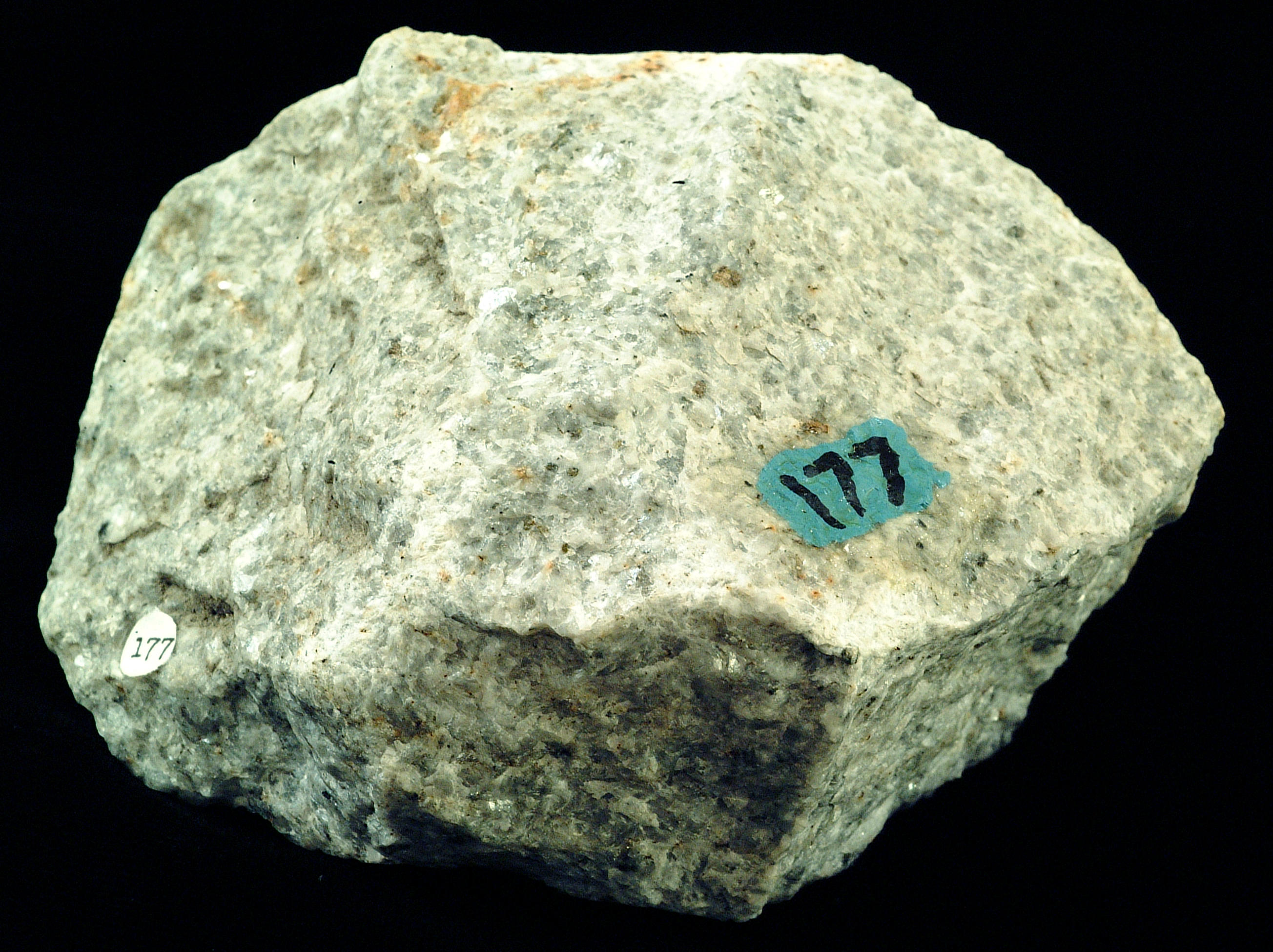
Marble vs. Quartzite: Three Identification Clues
Compare real marble and quartzite photos. Learn what grain texture can show, when hardness helps, and why a countertop name can be misleading.
Read the guide ↗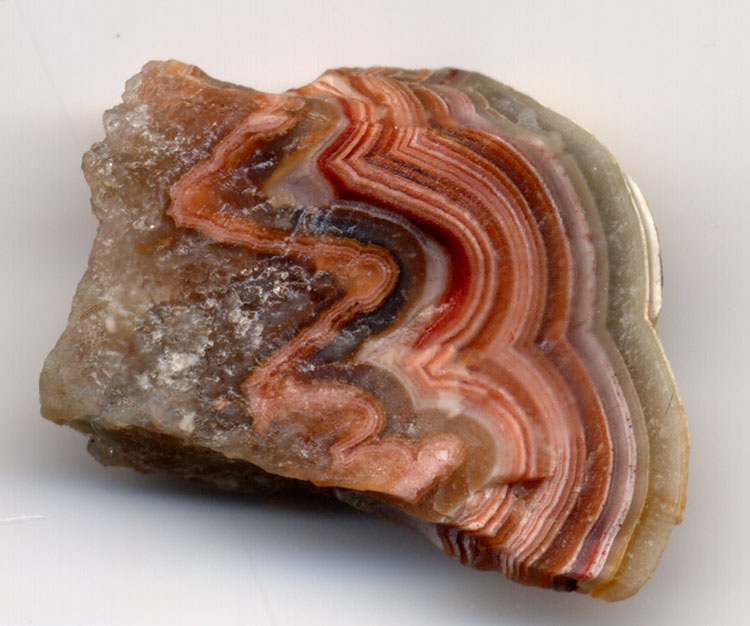
Agate vs jasper: check the bands and thin edges
Compare banding and translucency on a naturally exposed surface, with a simple photo setup for rough finds.
Read the guide ↗Amethyst vs clear quartz: the same mineral in two colors
See why purple amethyst and clear rock crystal are both quartz, and how to document color zoning and crystal shape.
Read the guide ↗