Rock vs mineral: the difference, with examples you can see
A mineral is a naturally occurring solid with an ordered internal structure and a characteristic chemical composition. A rock is a geological material that may contain minerals, fragments of older rocks, or other constituents. Quartz is a mineral; granite is a rock containing several minerals. Naming a mineral grain and naming the whole rock answer different questions.
In this guide
A comparison you can use
| Question | Mineral | Rock |
|---|---|---|
| What are you naming? | A substance such as quartz or calcite | A geological material such as granite or conglomerate |
| Which clues help? | Crystal form, hardness, luster, and cleavage | Constituent grains, texture, layering, and geological setting |
| Must it show an obvious crystal? | No: an ordered internal structure may be too small to see | No: rocks can have very different textures |
| Does one color identify it? | No | No |
The National Park Service lists natural origin, an ordered structure, and a definite composition among the defining mineral characteristics. A crystal's visible shape can help, but polished or broken material may no longer display that shape.
 ROCK SCAN
Identify your rocks
Take a photo to explore a possible match.
iPhone and Android · In-app purchases
Four examples that clarify the distinction
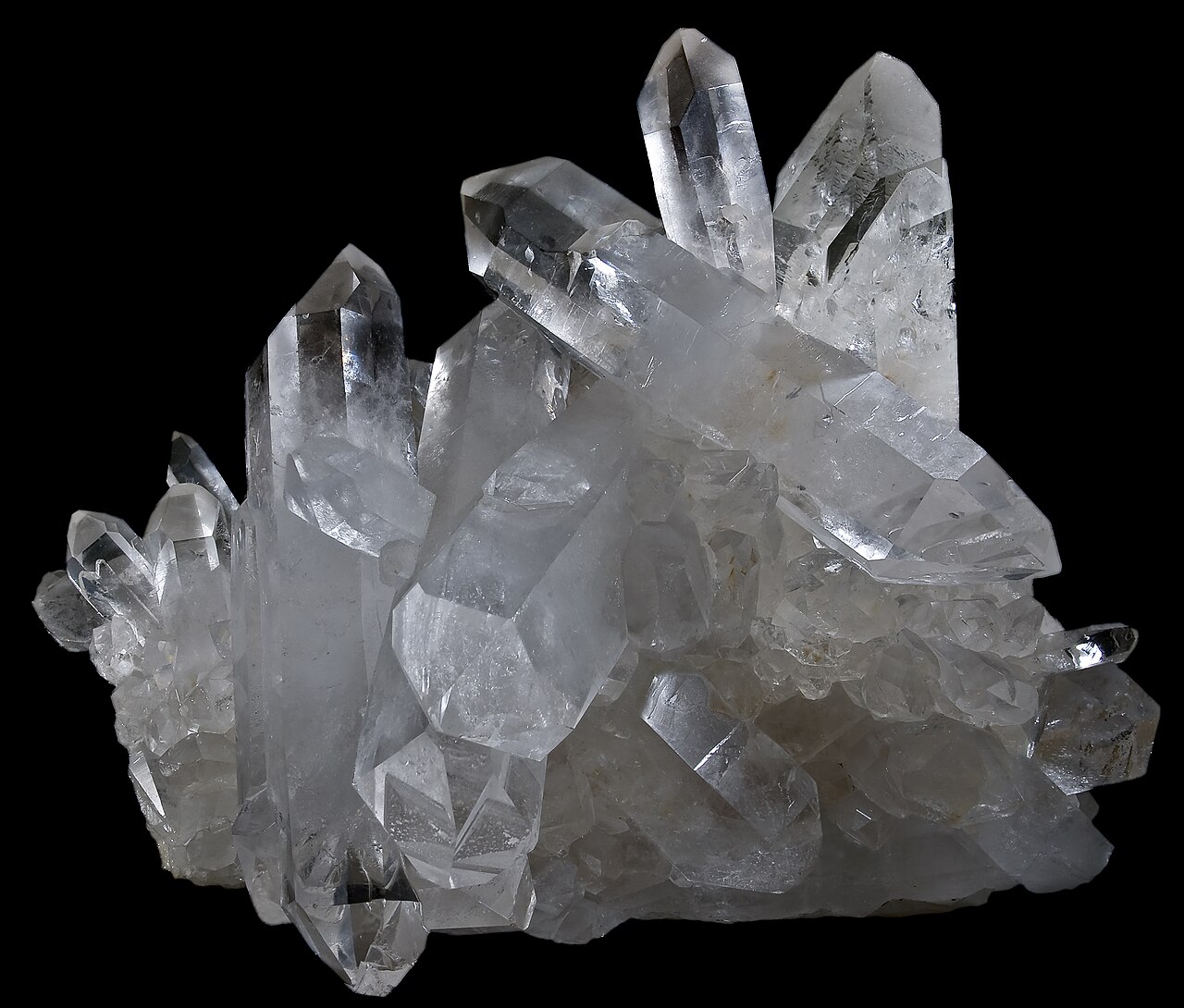
Quartz: The photographed quartz specimen is a mineral example. Quartz has the composition silicon dioxide. Its varieties can have different colors, so purple amethyst and clear quartz are not different rock types simply because their colors differ.
Granite: Granite is a rock made predominantly of quartz and feldspar, with other minerals in smaller amounts. You may identify a quartz grain within granite without calling the entire specimen quartz.
Conglomerate: A conglomerate can contain rounded mineral grains and fragments of several rock types cemented together. The word describes the assembled rock, not a single mineral ingredient.
Obsidian: This volcanic glass is a useful reminder that a rock does not have to be a collection of obvious mineral crystals. Its glassy character is central to its description.
Marble: Marble names a rock even when nearly every grain is the same mineral, such as calcite. See the marble identification guide for photos that illustrate the difference between naming a rock and identifying its grains.
Apply the distinction to your own specimen
First decide the scale of your question. Are you examining one crystal, a polished object, or a rock with many visible grains? Photograph the whole sample, then photograph the features that differ across it.
If the sample has several grain colors or textures, write separate observations for them. For example, “pale grains and dark flakes in an interlocking texture” preserves useful evidence. It does not assume every pale grain is quartz.
For a possible single mineral, compare several properties. Our quartz versus calcite guide shows why similar-looking minerals can need different checks.
Where a photo helps—and where it stops
A photo can show color, visible grains, and some surface features. It cannot directly measure hardness or reveal an atomic structure. Start with a tentative identification, keep the original photographs, and seek additional evidence when the distinction matters.
Compare a photo with these clues
Try Stone Identifier on iPhone or Android for a photo-based starting point, then compare the suggestion with the visible features described here. A photo suggestion is not a conclusive specimen test.
Sources
ROCK SCANIdentify your rocks
Take a photo to explore a possible match.
iPhone and Android · In-app purchases