Marble vs. Quartzite: Three Identification Clues
Marble is made mainly of calcite or dolomite, while quartzite is made mainly of quartz. Both can look sugary. Inspect the main rock, then use mineral hardness on a suitable loose sample if appearance leaves both possibilities open.
In this guide
1. Look at the grains on an unpolished surface
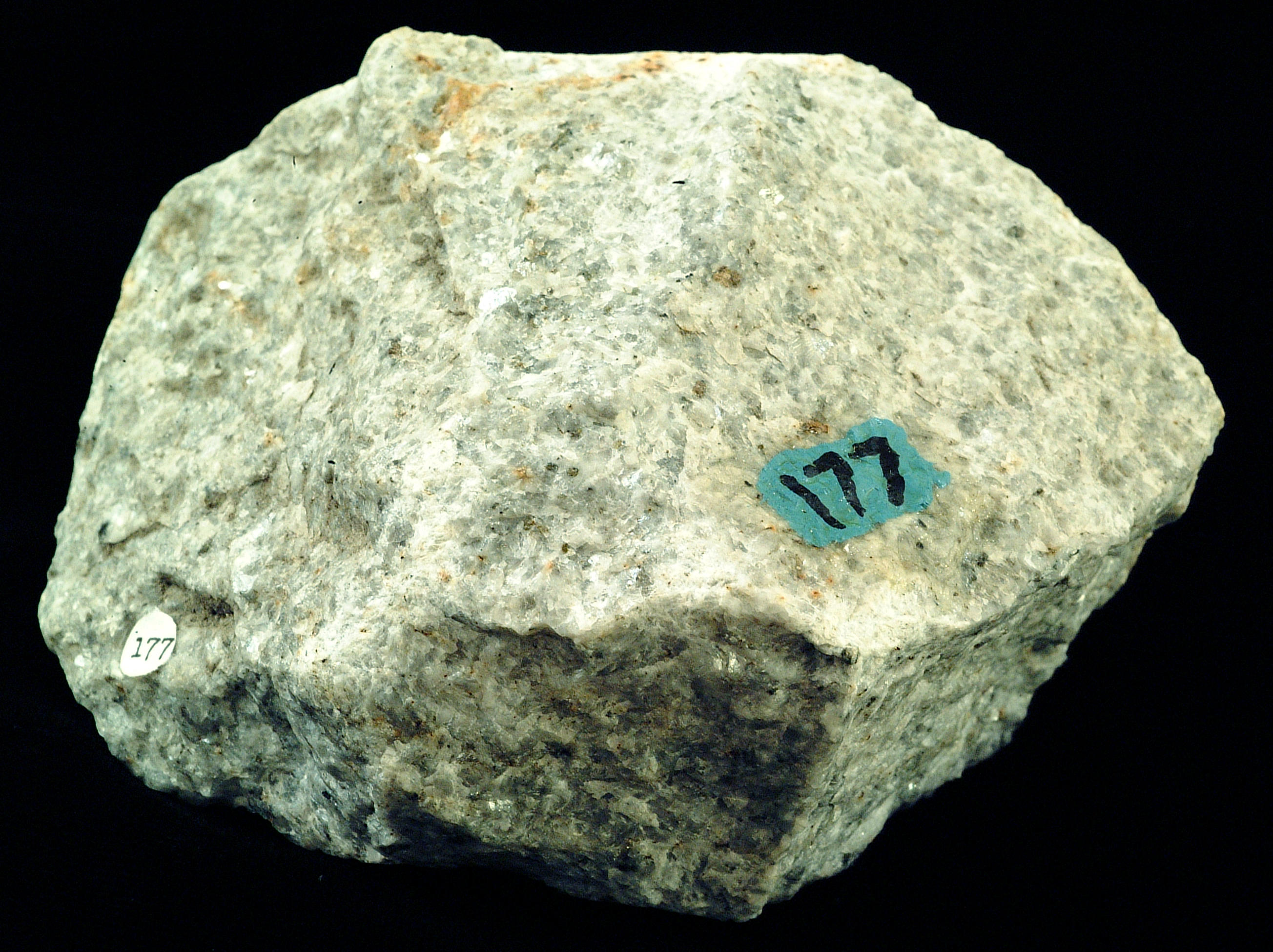
Find a rough edge or existing break. The light grains in the Lucerne Valley marble pictured above have an irregular crystalline texture. Compare them with the close-up of quartzite below. The quartzite has tightly packed grains too. On either rock, a coarse or sugary texture can suggest interlocking crystals and still leave the identity open.
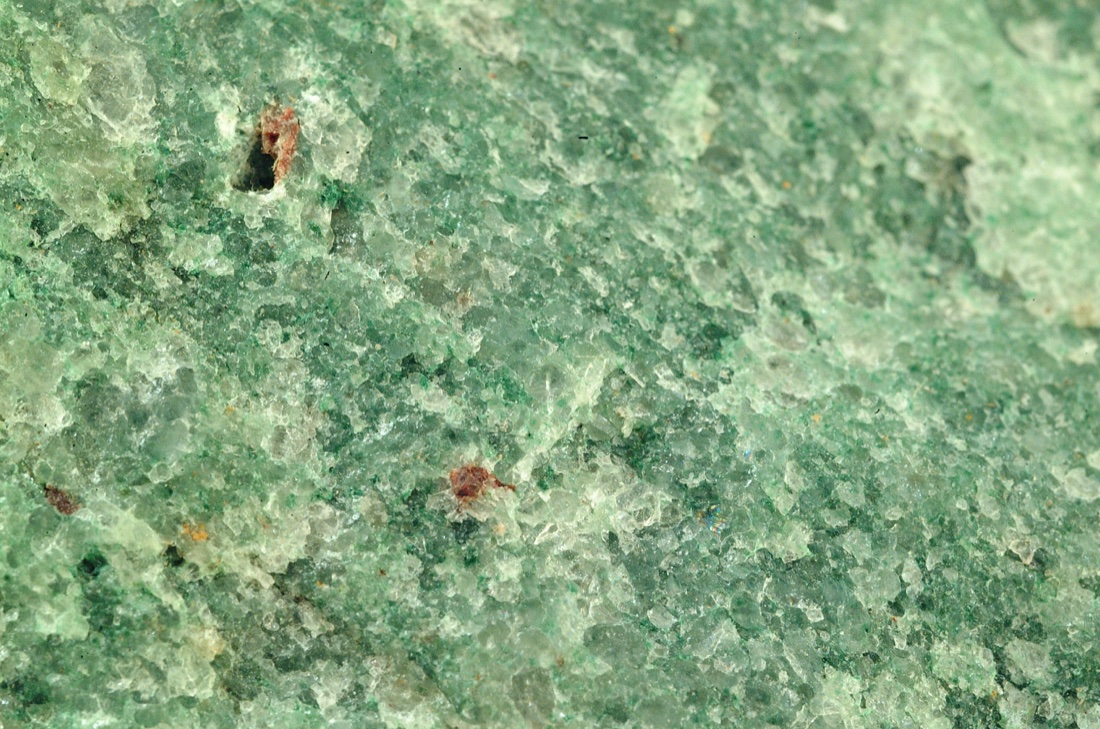

Color varies in both rocks. The green tint here belongs to this quartzite specimen, so focus on the grains that form most of the face.
 ROCK SCAN
Identify your rocks
Take a photo to explore a possible match.
iPhone and Android · In-app purchases
2. Compare the main rock with any veins
A vein may have a different mineral composition from the rock around it. If you see a white streak across an otherwise even surface, photograph it and then examine a patch away from it. An isolated vein tells you little about the composition of the rest of the sample.
| Check | Marble | Quartzite |
|---|---|---|
| Main mineral | Usually calcite or dolomite | Usually quartz |
| Appearance | Can show interlocking, sugary grains | Can show interlocking, sugary grains |
| Hardness of a typical main mineral | Calcite 3, dolomite about 3.5–4 | Quartz 7 |
3. Use hardness only on a suitable sample
Hardness tells you whether one material can scratch another. It requires direct contact, so photographs cannot establish it. On a loose specimen you can afford to mark, compare the main material with known references. Look for a real groove after wiping away the powder. Keep any veins and surface coatings out of the test area.
For a finished countertop or valued piece, request supplier documentation or a spare offcut. A stone sold under a trade name can look similar to several different geological materials. Preserve the supplier label alongside your own observations.
What to photograph
Take an overview, a close-up of the main grains and a separate photo of any vein. Use the marble guide for more examples and the quartz vs. calcite comparison for the mineral clues behind the difference. Stone Identifier can suggest a match from your photos. Confirm the result with a specimen check if hardness or composition matters.
Sources
ROCK SCANIdentify your rocks
Take a photo to explore a possible match.
iPhone and Android · In-app purchases