How to Identify Magnetic Rocks With Photos
A rock can pull toward a magnet because it contains magnetite or metallic iron. Iron-rich slag and many meteorites can also attract a magnet. Look at where the pull is strongest and compare the surface and streak color to narrow down the possibilities.
In this guide
Why is my rock magnetic?
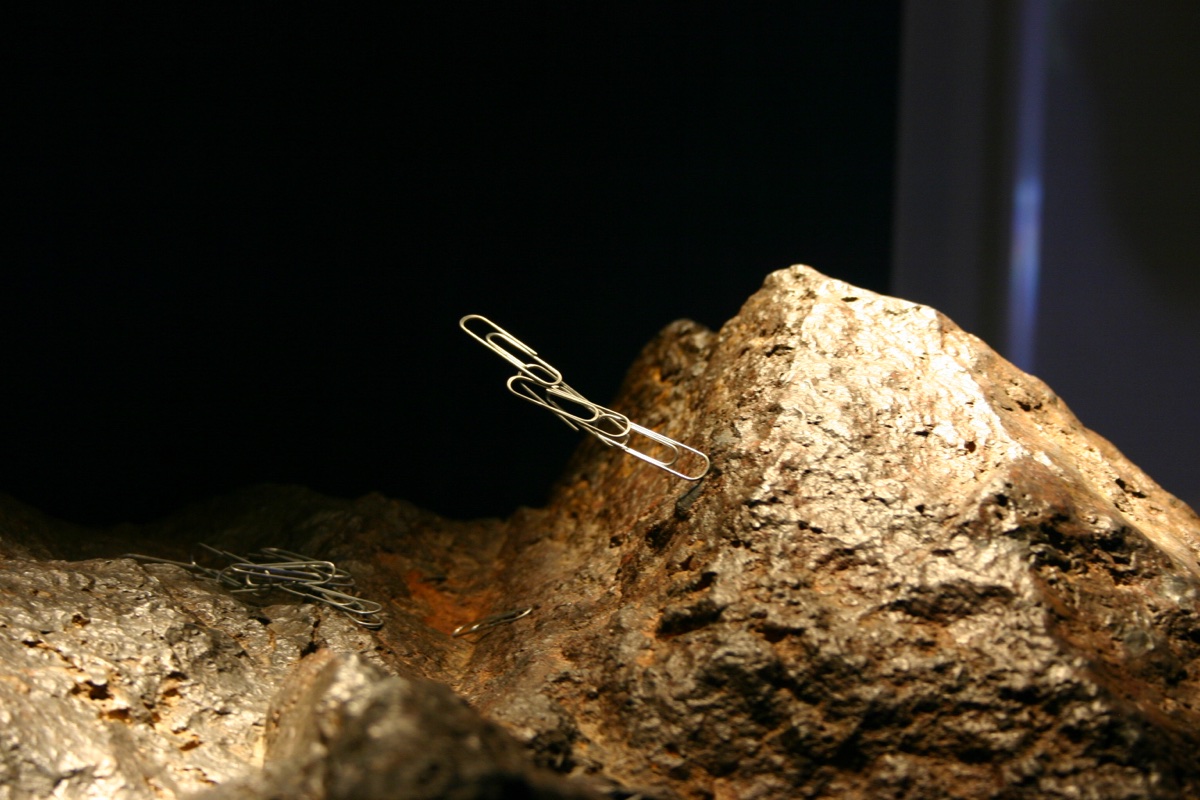
Magnetite is a common first comparison for a black or dark gray find that attracts a magnet. Magnetite can make up much of a specimen, or it can occur in grains mixed through another rock. Lodestone is magnetite that is naturally magnetized. The lodestone shown above attracts steel paper clips on its own.
 ROCK SCAN
Identify your rocks
Take a photo to explore a possible match.
iPhone and Android · In-app purchases
How to check a heavy black magnetic rock
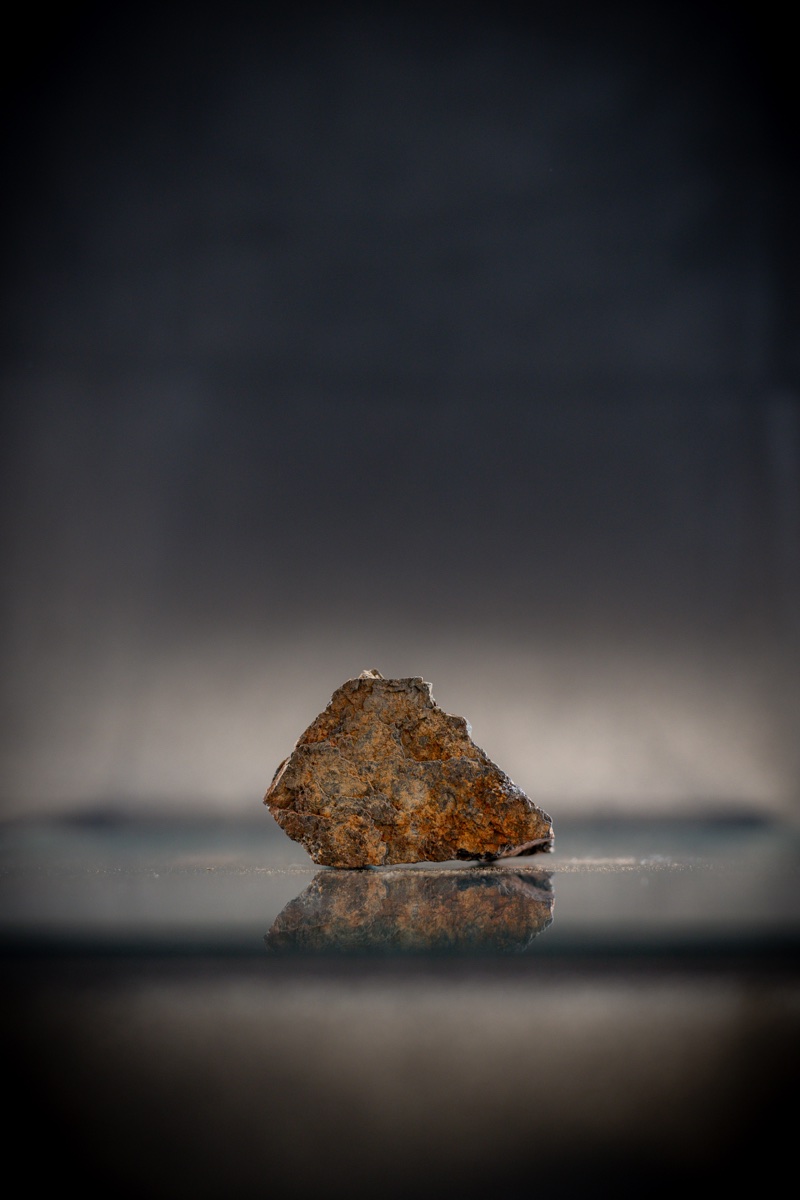
If the specimen may be a meteorite, leave it as found and start with photos and an expert identification checklist. Keep magnets away from it to preserve its magnetic record. For an ordinary loose rock, bring a small ceramic magnet near several spots. Note whether the pull is obvious across the specimen or mostly near one dark patch.
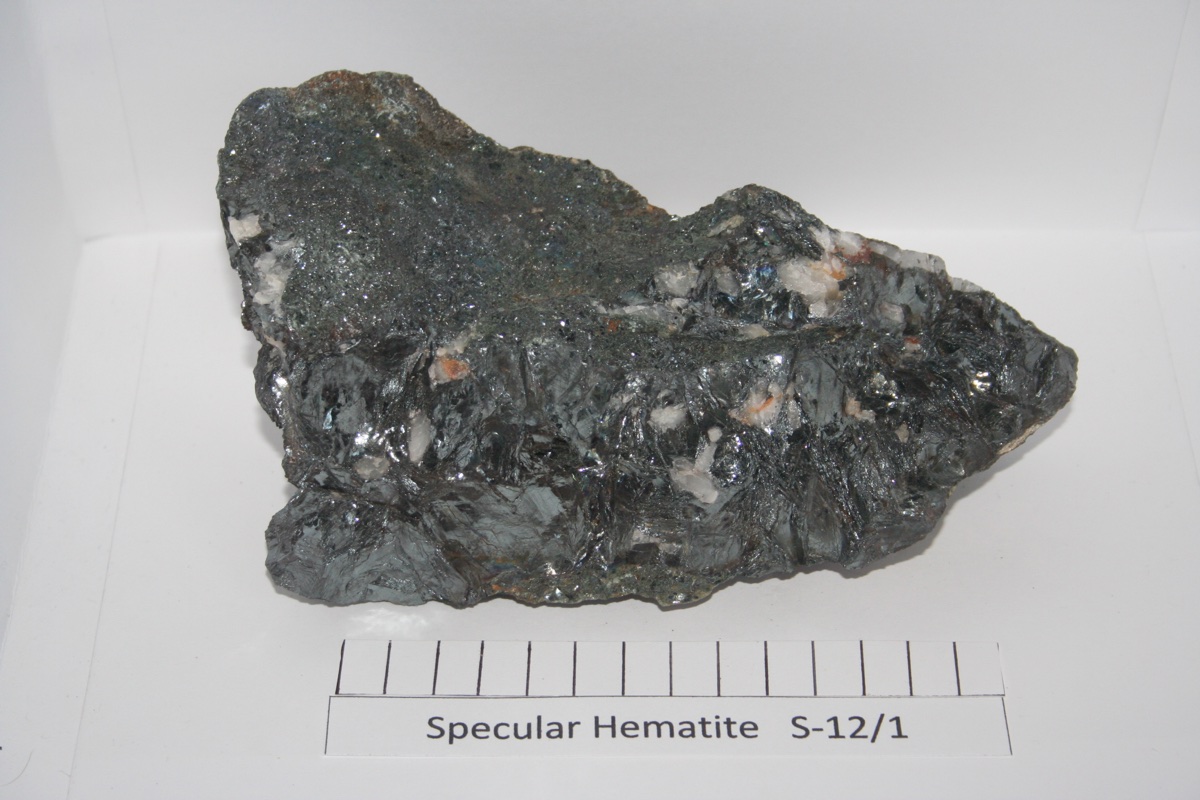
On an ordinary specimen you can mark, rub a small corner over unglazed porcelain to see the color of the powder. Magnetite usually leaves a gray-black streak. Hematite can look just as dark on the surface, but it typically leaves a reddish-brown streak. A pull in one spot and a streak from another spot can reflect different minerals in the same rock.

Magnetite vs. meteorite vs. iron slag
| Material | Clues you can compare |
|---|---|
| Magnetite or magnetite-bearing rock | A noticeable magnetic pull and gray-black powder where magnetite is exposed |
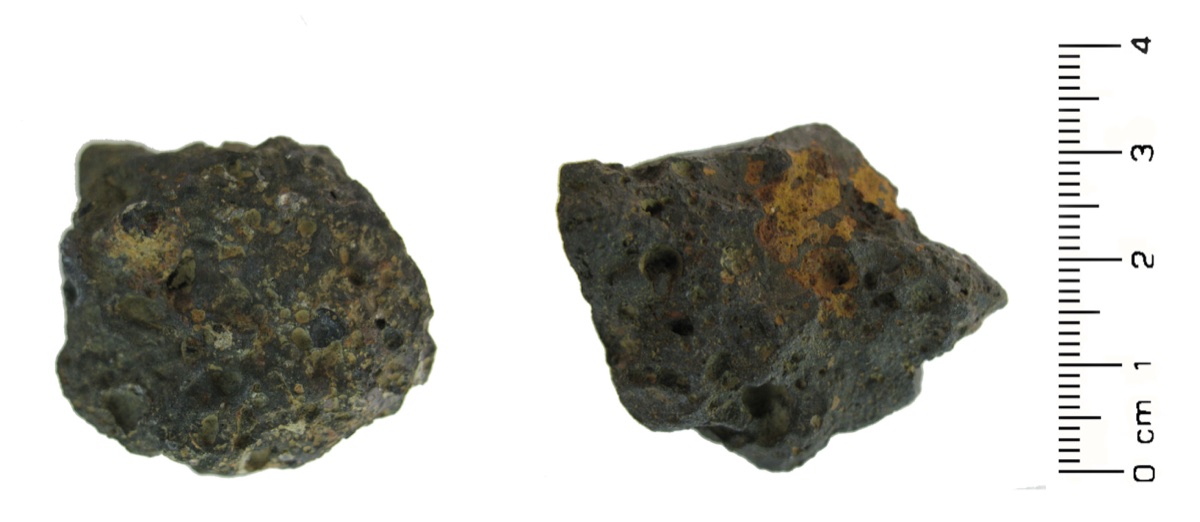
| Iron-rich slag | Round gas holes, glassy or rusty patches, and sometimes a magnetic pull |
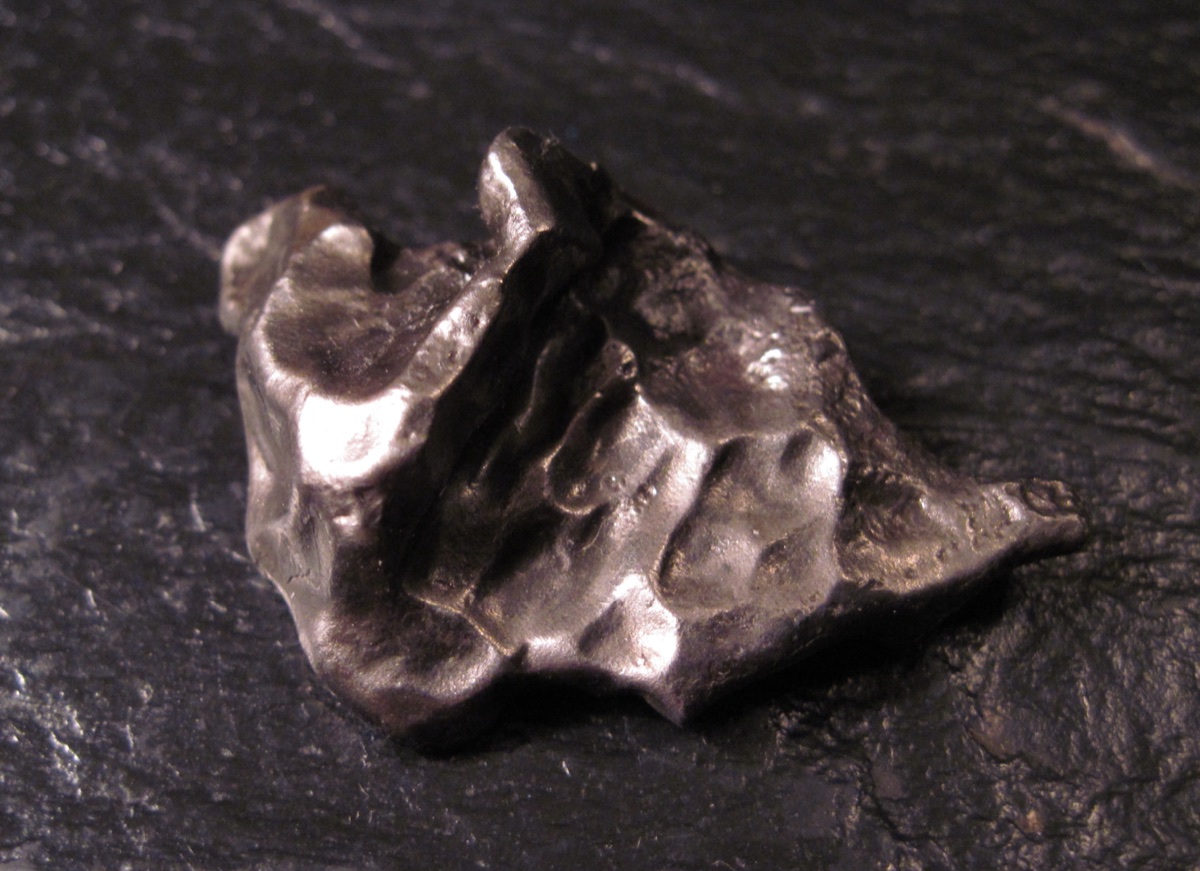
| Iron meteorite | Dense metal and sometimes broad, shallow thumbprint-like depressions. Shape and magnetic pull alone leave the identification open. |
Iron slag vs. a real meteorite in photos
Look at the round openings in the iron-rich slag below. They are gas cavities in the material. On the Sikhote-Alin iron meteorite, the broad depressions are contours on the exterior. Rust, pits or a magnet pulling toward the specimen are reasons to compare more clues before deciding.


Could my magnetic rock be a meteorite?
Start with where you found it, clear photos of several faces, and the USGS meteorite checklist. If the clues still fit, ask a geological survey, university geology department or natural history museum about identification. For a glossy find with bubbles, see our black shiny rock identification guide.
You can also use the Stone Identifier app for iPhone or Android to explore possible matches from a photo. Keep your observations about magnetism and streak color alongside the photo so you can judge which suggested matches fit.
If the attraction varies between dark and pale layers, compare the specimens in the banded iron formation guide.
Sources
- University of Minnesota mineral guide to magnetite and its streak
- Missouri Geological Survey on magnetite, hematite and lodestone
- Washington University in St. Louis on testing magnetic attraction
- USGS checklist for suspected meteorites
- Arizona State University meteorite identification guide
- Study of how hand magnets affect meteorites’ magnetic records
ROCK SCANIdentify your rocks
Take a photo to explore a possible match.
iPhone and Android · In-app purchases