Black Shiny Rock Identification With Photos
A black shiny rock could be obsidian, anthracite coal, metallic hematite or industrial slag. Check what kind of shine it has, then look for curved breaks, round bubbles or a reddish-brown streak to narrow down the possibilities.
In this guide
Black shiny rock identification chart
Turn the dry specimen in daylight. A smooth face that reflects like glass, a surface that flashes like metal, and a grainy surface with pinpoints of sparkle are different clues. Look at a face that is already chipped or broken and compare that surface with the outside.
| What you see | Compare with |
|---|---|
| Glossy black face with smooth, shell-shaped curves | Obsidian, slag or manufactured glass |
| Jet-black chunk with a bright sheen that feels light for its size | Anthracite coal |
| Steel-gray sparkle or metallic shine, with a red-brown streak | Hematite |
| Glassy patches with numerous round bubbles or a melted-looking surface | Industrial slag |
What the app saw in the photo above
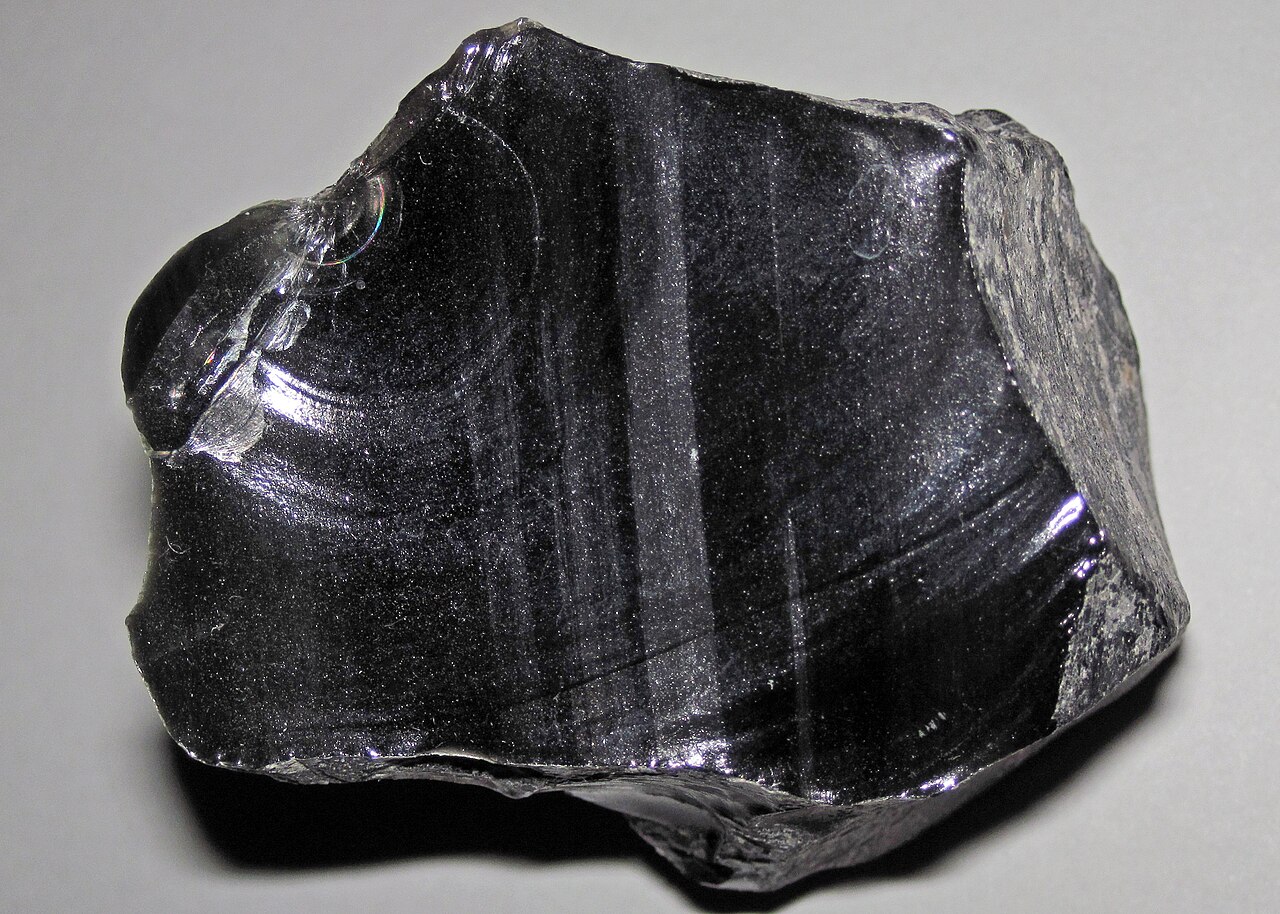
We scanned the opening photograph with the stone identification app. Its first match was Obsidian, described as “Natural volcanic glass.” The scan picked out the glassy black reflections and the curved breaks. Look at the broad chipped face in the photo and follow its shell-shaped edge. That curve is a better clue than the black color alone.
If your piece has small round bubbles across the broken face, compare it with the slag photograph below before settling on a name.
Obsidian vs. anthracite coal
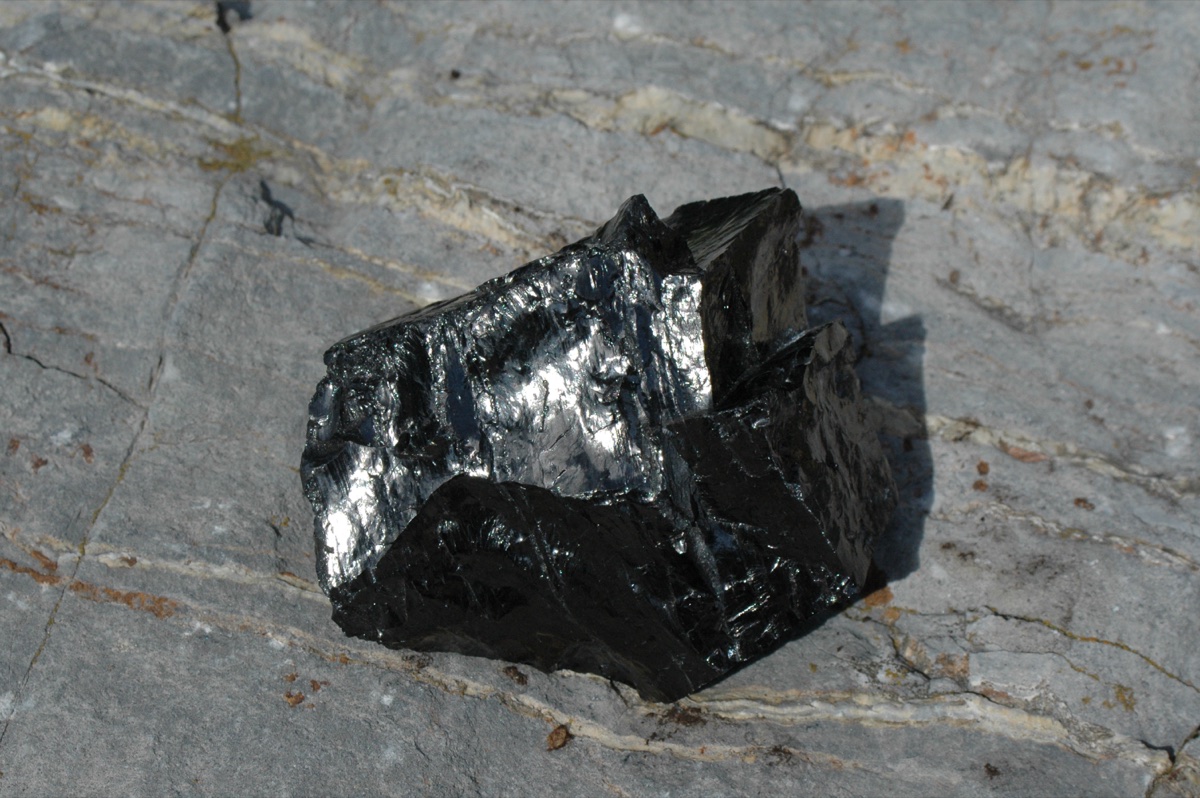
Obsidian is volcanic glass. The specimen at the top of this guide shows broad, curved fracture surfaces and sharp edges. Anthracite can also break along curved surfaces, so use the feel of the piece and its streak as additional clues. Anthracite is a hard, lustrous coal that is relatively light for its size and can leave a dark streak.
Obsidian vs. slag when a black rock looks like glass
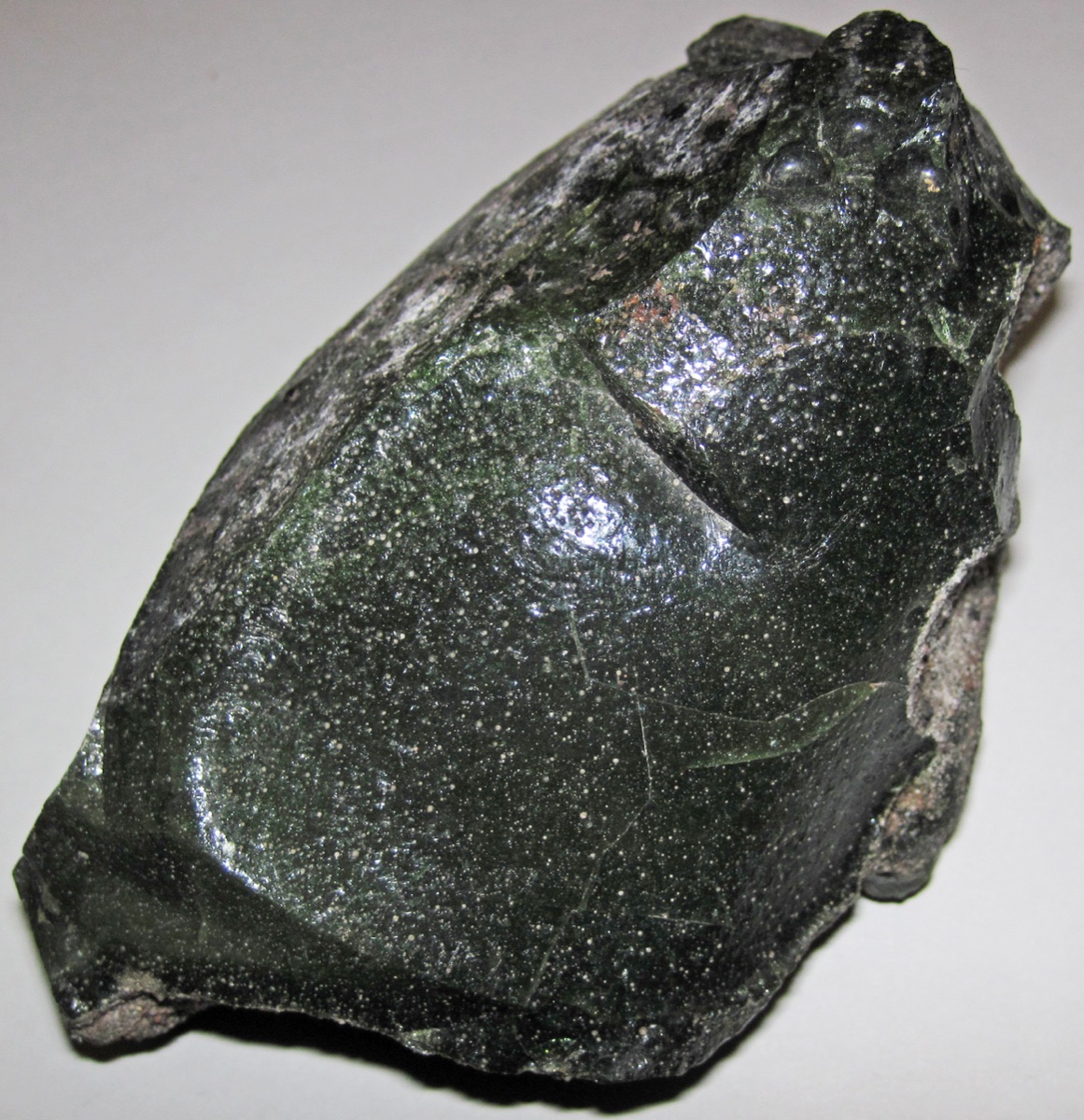
Slag from industrial processes can look almost as glossy as obsidian. In the example below, the glass is dark green and dotted with many small, round bubbles. Look for bubbles along existing breaks and consider where you found the piece. An industrial site or old fill makes slag worth comparing. A curved fracture or a single pit gives you less to go on.

When the shine looks metallic
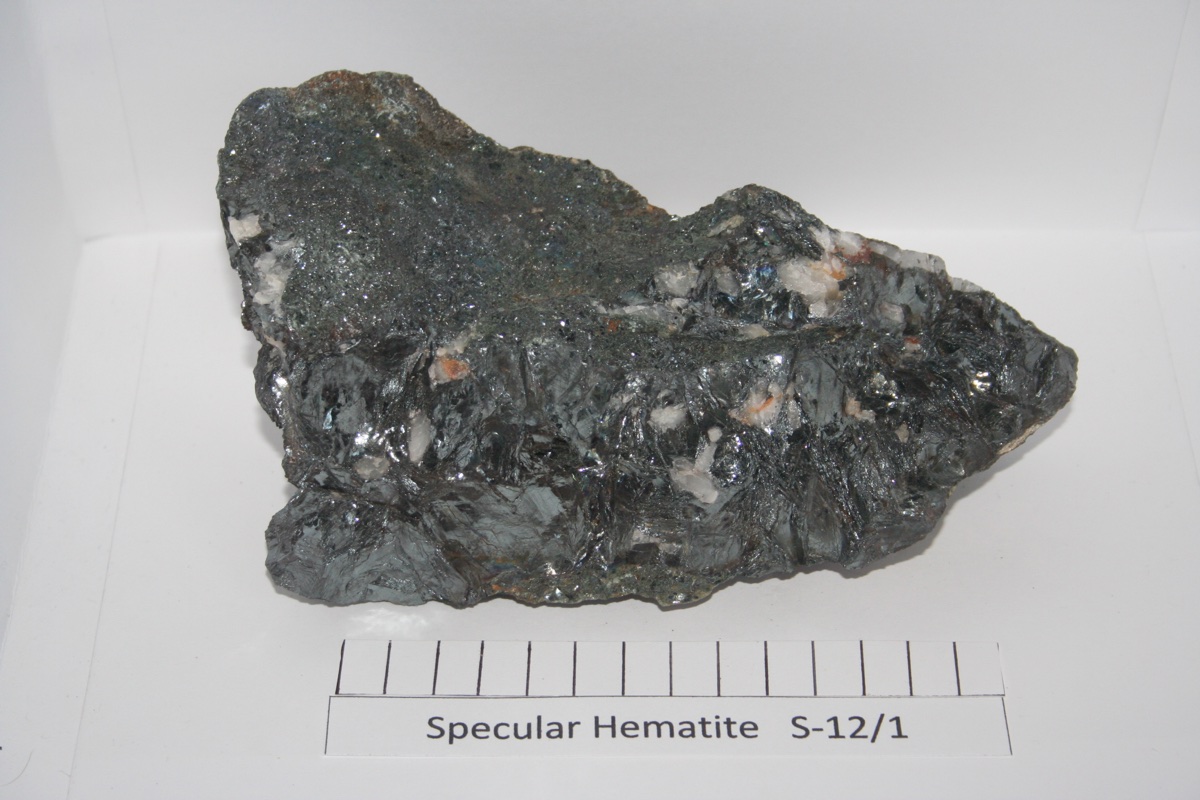
Specular hematite can look steel gray or nearly black and sparkle across many small faces. Its powder is reddish brown even when the surface looks dark. On an ordinary loose specimen, a small mark on unglazed porcelain can show that powder color. Skip the streak test on jewelry or a specimen you want to keep intact.

If the specimen also pulls toward a magnet, compare it with the photos and clues in our magnetic rock identification guide. If you're looking at a polished black stone, read obsidian vs. onyx for clues specific to polished pieces.
Compare your find with the Stone Identifier app
Take one photo of the whole rock in indirect daylight and another of the shiniest face, bubbles, or existing break. Try the Stone Identifier app for iPhone or Android to get possible matches from a photo, then compare the suggested material with the features you can see and test in person.
Sources
 ROCK SCAN
Identify your rocks
Take a photo to explore a possible match.
iPhone and Android · In-app purchases