How to Identify Limestone in the Field
If you find a gray or cream-colored rock with bits of shell embedded in a fine-grained surface, limestone is a good possibility. Some limestone has no obvious fossils, so also look at the texture and any layers you can see. Check an edge that is already exposed. Dirt and weathering can hide details on the outer surface.
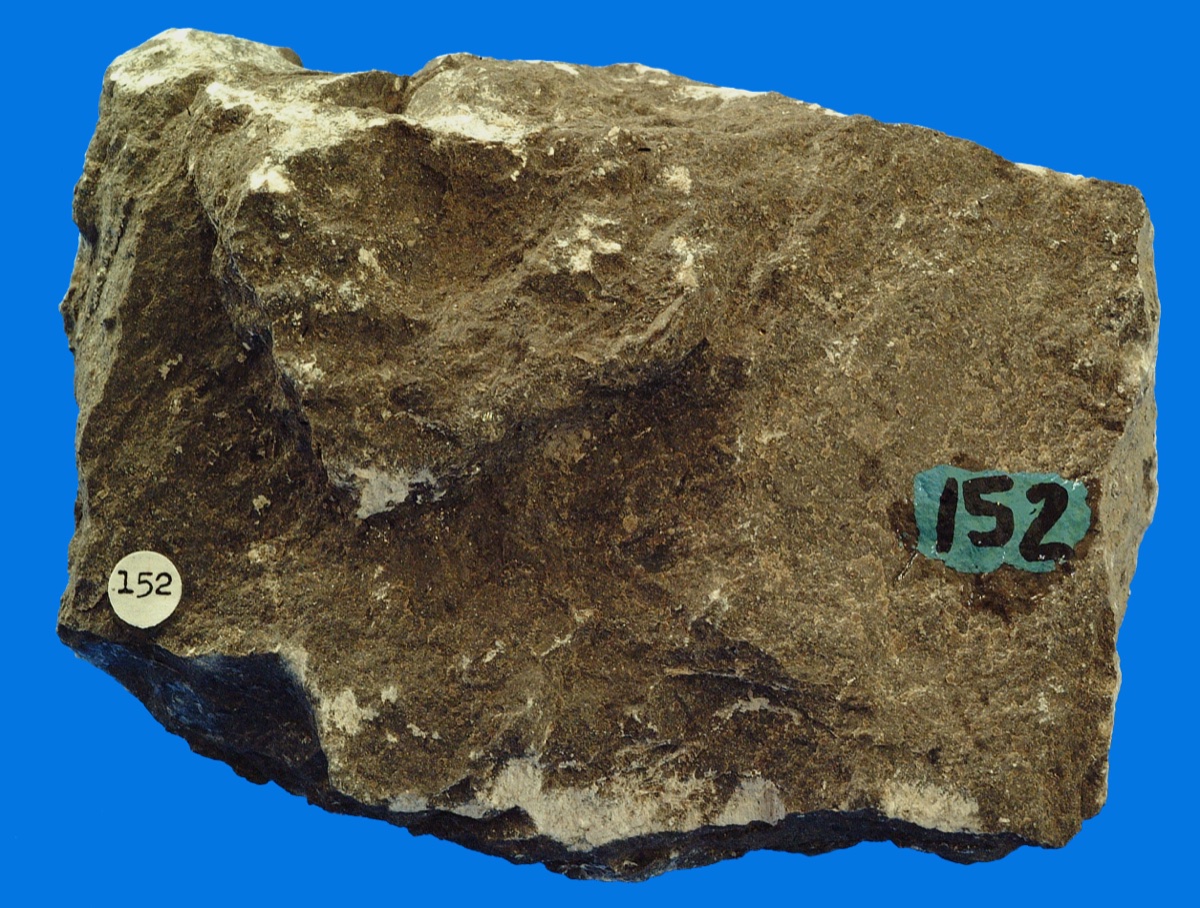
In this guide
Three clues to look for
- Shell fragments. Look for curved pieces, ribbed shapes or tiny fossil fragments set into the rock. Check whether you can see similar shapes in more than one spot.
- Fine texture. Some limestone looks smooth or dull between the fossil fragments. Turn it in daylight and use a hand lens if you have one. Pay attention to what the space between the larger pieces looks like.
- Layers. If the rock is part of an outcrop, stand back and look for beds that continue across the face. A loose piece may be too small to show them. The wider view gives you context to go with the close-up.
Limestone is a sedimentary rock composed mainly of calcium carbonate. Its appearance varies with how it formed and what it contains, so use the clues together. USGS limestone fact sheet
 ROCK SCAN
Identify your rocks
Take a photo to explore a possible match.
iPhone and Android · In-app purchases
Limestone, marble or sandstone?
| If you see… | What to compare |
|---|---|
| Repeated shell shapes in a fine-grained surface | Limestone. Check a second face for more fragments or a visible layer. |
| A surface made of interlocking crystals that sparkle as you turn it | Marble. Compare the crystal texture with photos in the marble guide. |
| Distinct, sand-sized grains packed together | Sandstone. Look at a second face with a hand lens to see how consistent the grains are. |
Color overlaps. A pale rock can fit any of these descriptions, and a weathered or polished surface can make the texture hard to read. USGS rock identification key · Marble identification guide
Take three photos before you compare
Take a photo of the whole rock with a ruler or coin for scale, a second photo of an exposed side, and a close-up of the clearest shell shape, grain or layer. If the rock is part of an outcrop, include the layers around it in the wider shot.
Work through an example
Say you find a gray piece with two curved shell-like shapes on one side and a mostly fine-grained edge. Record both observations and put limestone on your shortlist. If the surface is worn and you can only see the color clearly, mark the ID as uncertain and try another angle in daylight.
Use the free observation sheet to save what you saw, or take a photo with Stone Identifier to compare possible matches against those clues. Free observation sheet · Get Stone Identifier
For sandy-looking limestone, compare ooids, quartz grains and shell fragments.
Sources
ROCK SCANIdentify your rocks
Take a photo to explore a possible match.
iPhone and Android · In-app purchases